2026 Top Hydraulic Actuator Seals Buying Guide for Global Procurement?

Time:2026-05-11 Author:Henry
0%

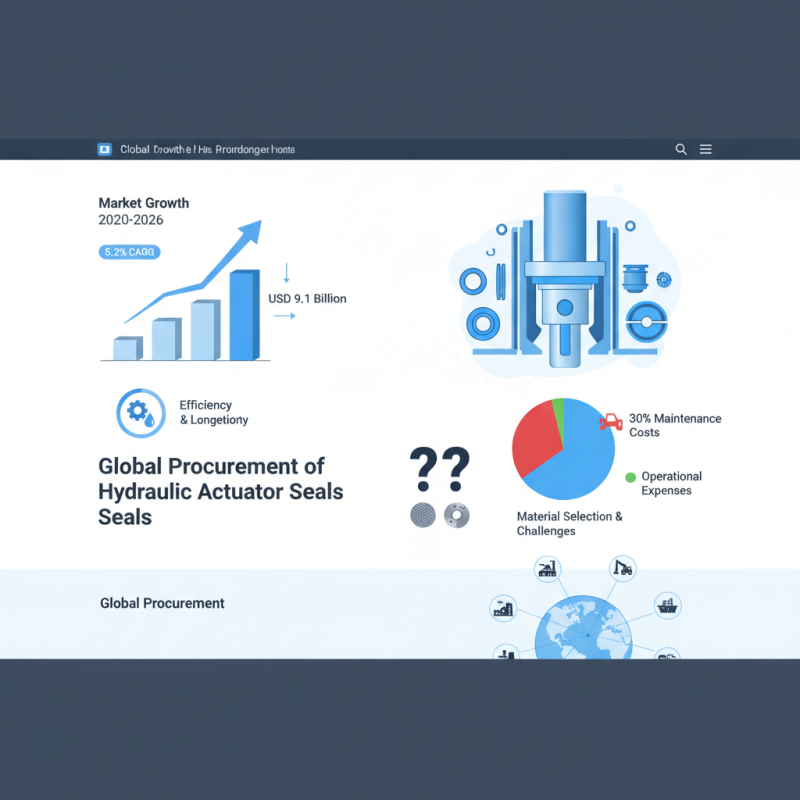
The demand for Hydraulic Actuator Seals is steadily increasing in various industries. According to a recent market analysis by MarketsandMarkets, the hydraulic seals market is projected to grow from USD 9.3 billion in 2020 to USD 12.1 billion by 2026, reflecting a compound annual growth rate (CAGR) of 5.2%. As equipment becomes more advanced, proper sealing is crucial for efficiency and longevity.

Hydraulic Actuator Seals play a vital role in preventing leakage and contamination. Inadequate sealing solutions can lead to operational failures, resulting in costly downtime. A report from Technavio highlights that equipment maintenance is a significant concern, with maintenance costs representing up to 30% of total operational expenses in some sectors. Companies need to be cautious about selecting high-quality seals that meet evolving industry standards.

However, many buyers face challenges in sourcing appropriate hydraulic seals. There is often confusion over material selection and compatibility. Poor choices can compromise equipment performance. Understanding the nuances of Hydraulic Actuator Seals is essential for procurement professionals. The landscape is complex, and staying informed is key to making effective decisions.
2026 Top Hydraulic Actuator Seals Buying Guide for Global Procurement?

2026 Market Overview and Trends for Hydraulic Actuator Seals

The hydraulic actuator seals market is projected to experience significant growth in 2026. As industries increasingly adopt automation, the demand for reliable seals is rising. These seals are crucial for maintaining efficient performance in hydraulic systems. As technologies evolve, understanding market trends becomes essential for procurement.

When selecting seals, consider the materials used. Different environments require specific materials to ensure longevity. Rubber, polyurethane, and PTFE are common choices, each offering unique advantages. Think about your specific application. Will a standard seal suffice, or is a custom solution needed?

Tips: Regularly evaluate your suppliers. Quality varies, and it is vital to find reliable sources. Sustainable practices are becoming a key consideration for many manufacturers. Engage with suppliers who prioritize eco-friendly solutions. This not only reflects positively on your business but also aligns with growing environmental awareness.

With increasing automation, efficiency is critical. Misunderstood specifications can lead to costly downtime. Make sure to invest time in understanding the details before making a purchase. Seek out professional advice when necessary. Balancing cost with quality is often challenging, yet essential for successful procurement.

Key Material Types for Hydraulic Actuator Seals: Performance Comparisons

When selecting hydraulic actuator seals, material choice is crucial. Different materials affect performance significantly. Rubber-based seals, for example, are popular for their flexibility and low cost. They can withstand various fluids, but may degrade quickly under extreme temperatures. Considerations around temperature ranges are essential.

Thermoplastic elastomers are an alternative. These provide better chemical resistance. They can endure harsher environments compared to traditional rubber. However, their cost can be higher. Material selection can impact overall system longevity and maintenance needs. Understanding each material's drawbacks is vital, as it can lead to unexpected failures.

Another option is metallic seals. These offer exceptional durability and can handle extreme pressures. Their rigidity may limit application in certain hydraulic systems. The operational environment must dictate the choice of seal. Failing to analyze specific performance needs can result in costly downtime. Diversifying knowledge on seal materials allows for informed procurement decisions.

Critical Specifications for Selecting Hydraulic Actuator Seals in Procurement

When procuring hydraulic actuator seals, understanding critical specifications is vital. These seals ensure optimal performance in varied hydraulic systems. You need to assess factors like material compatibility, temperature resistance, and pressure rating. Each of these plays a role in the seal’s longevity and effectiveness in harsh environments.

Tips: Always test seals under real operating conditions. This can reveal unforeseen weaknesses. Never overlook small tolerances; they can significantly affect performance. Evaluate your supplier’s quality control practices. Consistent quality assurance can save costs in the long run.

Consider the operating environment. Seals should withstand exposure to contaminants and extreme conditions. Think about factors like fluid type and potential wear. Taking these aspects into account can prevent premature failures. Regular audits of your procurement process can help identify areas for improvement. Ensure your specifications reflect true operational demands, not just standard norms.

2026 Top Hydraulic Actuator Seals Buying Guide for Global Procurement

Seal Material Temperature Range (°C) Pressure Rating (psi) Hardness (Shore A) Chemical Compatibility
Nitrile (NBR) -30 to 100 3000 70 Petroleum-based fluids
Polyurethane (PU) -20 to 80 2500 90 Organic esters, diesel
Fluoroelastomer (FKM) -15 to 200 4000 75 Hydrocarbon fuels, oils
Silicone (VMQ) -55 to 200 1500 60 Limited chemical resistance
Ethylene Propylene Diene Monomer (EPDM) -40 to 120 2500 55 Water, steam, polar solvents

Global Suppliers and Market Leaders in Hydraulic Actuator Seals Industry

The global hydraulic actuator seals market has witnessed significant advancements in recent years. According to market research from Valuates Reports, the sector is projected to grow from USD 3.5 billion in 2022 to an impressive USD 5.4 billion by 2028. This growth is driven by increasing demand from industries such as aerospace, automotive, and manufacturing.

Suppliers in the hydraulic actuator seals industry must understand the critical attributes of their products. Seals must withstand extreme pressures and varying temperatures. Key market players focus on providing seals with enhanced durability and resistance to wear. Reports indicate that advanced materials like fluoropolymer and polyurethane are gaining traction. These materials offer superior performance, making them increasingly popular among manufacturers.

However, challenges remain. Some suppliers struggle with inconsistent quality control. Others face difficulties in sourcing high-grade raw materials due to supply chain disruptions. These issues can impact the reliability of hydraulic actuator seals in critical applications. Industry professionals must prioritize partnerships with trusted suppliers to ensure quality and performance meet or exceed standards.

Regulatory Standards Impacting Hydraulic Actuator Seal Manufacturing and Use

Regulatory standards play a crucial role in the manufacturing and use of hydraulic actuator seals. Compliance with these standards ensures safety and reliability in various applications. Reports indicate that the global hydraulic seals market is projected to reach $6 billion by 2025, driven by industries such as automotive, aerospace, and industrial machinery. Each sector has specific regulations that dictate the materials and designs of seals used.

In the automotive sector, for instance, the use of seals must comply with ISO 9001 standards, which emphasize quality management. Adherence to such standards not only addresses safety concerns but also enhances product lifecycle. Equipment failure due to inadequate seals can lead to costly downtimes, making regulatory compliance vital.

Tips: Always verify the materials used in seals. Some may not meet regulatory standards. Understanding your industry’s specific regulations is essential for procurement. Regular audits can help ensure ongoing compliance and improve manufacturing processes. Investing in quality-certified seals can ultimately save costs related to maintenance and replacement.

FAQS

: What is the expected growth of the hydraulic actuator seals market by 2026?

: The market is projected to grow significantly, reaching USD 5.4 billion by 2028.

What factors should be considered when selecting hydraulic actuator seals?

Consider material compatibility, temperature resistance, and pressure rating for optimal performance.

Why is it important to test seals under real operating conditions?

Testing can reveal unforeseen weaknesses that may not be apparent in standard evaluations.

Can small tolerances affect hydraulic actuator seal performance?

Yes, small tolerances can greatly impact seal performance and lead to operational issues.

How can businesses ensure their procurement process is effective?

Regular audits can identify areas for improvement and ensure specifications match operational needs.

Why should manufacturers engage with eco-friendly suppliers?

Choosing eco-friendly suppliers reflects positively on businesses and aligns with sustainability trends.

What challenges do suppliers face in the hydraulic actuator seals industry?

Inconsistent quality control and difficulties in sourcing high-grade raw materials are significant challenges.

How do operating environments affect hydraulic actuator seals?

Exposure to contaminants and extreme conditions can affect seal longevity and overall performance.

Is it necessary to have custom seals for specific applications?

Sometimes custom solutions are needed to meet unique application demands effectively.

How can misunderstanding specifications impact procurement?

Misunderstandings can lead to costly downtime and ineffective seal performance.

Conclusion

The "2026 Top Hydraulic Actuator Seals Buying Guide for Global Procurement" provides a comprehensive overview of the market trends and advancements in hydraulic actuator seals. The article discusses the various material types available, highlighting their performance differences to aid in informed purchasing decisions. Additionally, it outlines critical specifications that procurement teams must consider when selecting hydraulic actuator seals, ensuring compatibility and efficiency in their applications.

Furthermore, the guide identifies key global suppliers and market leaders within the hydraulic actuator seals industry, offering insights into their offerings and market positioning. Finally, it addresses the regulatory standards that affect the manufacturing and use of hydraulic actuator seals, emphasizing the importance of compliance in maintaining quality and safety. This resource serves as an essential tool for professionals aiming to enhance their procurement strategies related to hydraulic actuator seals in 2026 and beyond.


Henry

Henry

Henry is a dedicated marketing professional with a profound expertise in the company's offerings. With years of experience in the industry, he possesses an impressive understanding of the market dynamics and consumer behaviors that drive success. Henry is committed to sharing his insights through......