A piston seal may look like a small component, yet it can determine whether a hydraulic cylinder holds pressure, moves smoothly, or leaks under load. For global buyers, choosing Hydraulic Piston Seals is not simply a matter of matching a catalog size. Pressure, temperature, fluid compatibility, rod speed, clearance, and installation conditions all shape seal performance. A seal that works reliably in a clean test environment may wear quickly in a dusty workshop or a system with frequent pressure spikes.
This introduction sets the stage for seven practical tips for evaluating suppliers and seal options. Buyers will consider material selection, profile design, operating conditions, quality documentation, dimensional checks, and communication across borders. Ask for clear test data. Check the actual duty cycle. Confirm that drawings and tolerances match the cylinder, not just the purchase order. Small details matter.
A trustworthy expert quotation should be verified before publication. No source article or attributable expert statement was provided here, so inventing a name or quotation would weaken the reliability of this guide. That limitation matters. Seal decisions deserve evidence, not confident-sounding claims. The tips that follow focus on questions buyers can verify with manufacturers, technical datasheets, and real operating conditions.
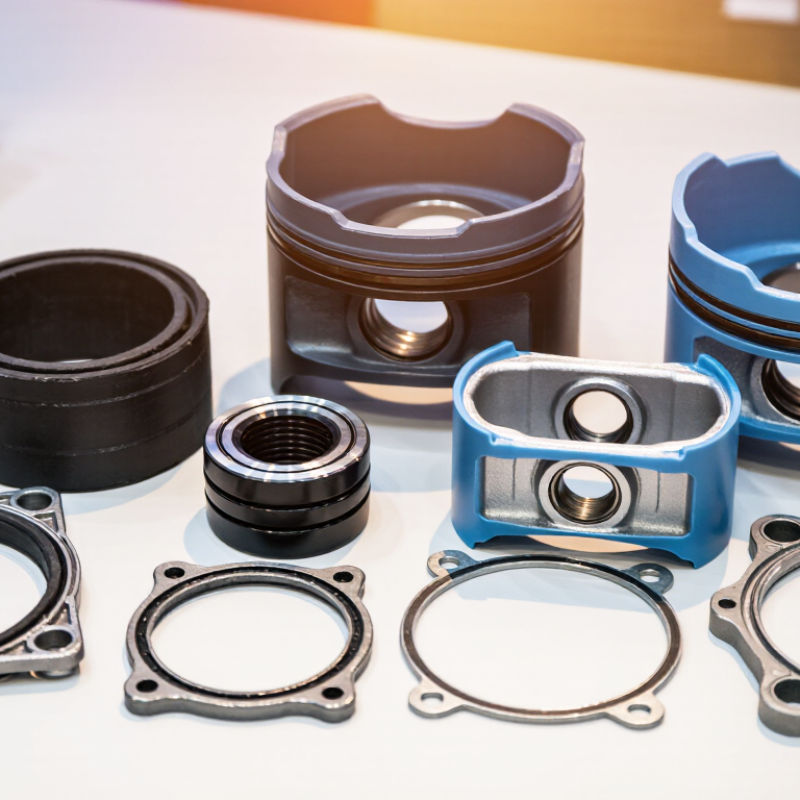
Understanding Hydraulic Piston Seals and Their Role
A hydraulic piston seal sits between the piston and cylinder bore, limiting fluid bypass from one chamber to another. That small ring helps preserve pressure, control movement, and prevent the actuator from losing force. In a workshop, the consequences are tangible: a drifting load, a warm cylinder barrel, or oil appearing where the rod enters the assembly. The seal is not a cure for every leak. Scratched bores, contamination, and incorrect clearance can defeat a correctly selected seal.
Selection depends on operating pressure, temperature, fluid compatibility, speed, and piston-groove dimensions. A seal that works in a slow press may wear quickly in a fast, reversing cylinder. Material hardness matters, but so does the mating surface. The ISO 5597 standard provides dimensional guidance for piston-seal housings; buyers should still verify tolerances against the actual cylinder design. A useful market signal comes from Grand View Research’s Hydraulic Seals Market report, which estimates global market revenue at about USD 2.8 billion in 2023 and forecasts continued growth through 2030. That figure covers multiple seal applications, not piston seals alone, so it should not dictate a specification. Measure twice. I have seen a tiny groove mismatch matter more than a polished product description. Keep installation notes, fluid details, and failure photographs with each purchase record.
| Tip | What to Specify | Why It Matters | Buyer Verification |
|---|---|---|---|
| 1. Match the seal to its function | Confirm whether the piston seal must provide single-acting or double-acting sealing, and whether the cylinder uses one or more sealing elements. | Seal design and installation depend on the pressure direction and cylinder arrangement. A piston seal helps limit fluid bypass between the two sides of the piston. | Share a cylinder cross-section or assembly drawing and confirm the pressure directions and operating cycle. |
| 2. Provide complete dimensions | Specify rod or piston diameter, groove diameter, groove width, tolerances, and relevant mating-surface dimensions using a consistent unit system. | Fit depends on the seal, groove, and cylinder dimensions together. Incorrect dimensions can cause leakage, excessive friction, or installation damage. | Send a dimensioned drawing and state whether dimensions are nominal or measured. Confirm the applicable tolerances with the seal designer. |
| 3. Check fluid and material compatibility | Identify the hydraulic fluid by type and, where available, its formulation; also provide additives and any cleaning or flushing fluids used. | Elastomer and polymer compatibility varies with fluid chemistry, temperature, and exposure time. A material suitable for one fluid may not suit another. | Request a compatibility assessment for the actual fluid and operating conditions. Do not select material by generic labels such as “oil resistant” alone. |
| 4. Define the full operating envelope | Report minimum and maximum pressure, pressure peaks, temperature range, reciprocating speed, stroke length, and duty cycle. | These conditions affect seal deformation, friction, heat generation, wear, and extrusion risk. Performance limits depend on the complete seal and cylinder design. | Provide normal and occasional peak conditions, not just the nominal values, and request confirmation that the proposed design covers them. |
| 5. Review clearance and surface finish | Specify the maximum extrusion gap, cylinder bore condition, surface finish, hardness, and any coating or plating on the sealing surface. | Excessive clearance can allow seal material to extrude under pressure. Surface condition also influences friction, lubrication, and wear. | Compare measured hardware with the seal supplier’s design limits; assess clearance at operating temperature and under expected load where relevant. |
| 6. Confirm installation and storage requirements | Ask for the installation direction, allowable assembly stretch, tooling guidance, lubrication instructions, and storage conditions. | Sharp edges, twisting, overstretching, contamination, or unsuitable storage can damage a seal before it enters service. | Use the supplier’s installation procedure, inspect grooves for burrs, and check packaging and shelf-life guidance before assembly. |
| 7. Verify traceability and qualification | Agree on material identification, dimensional inspection, lot traceability, documentation, sample approval, and change-notification requirements. | Consistent records help buyers investigate failures, manage repeat orders, and control changes to materials or manufacturing processes. | Request the relevant inspection records and product documentation; validate samples in the intended cylinder and operating conditions before production use. |
Note: Seal selection and performance depend on the complete cylinder design and operating conditions. Confirm design limits and material compatibility with a qualified seal engineer before specifying or purchasing.
Look beyond price. Ask how the supplier controls material batches, molding conditions, and dimensional checks. Share actual pressure, temperature, fluid, and speed ranges.
It should list critical dimensions, identify the material, and state test conditions. Confirm it matches the exact seal specification you plan to order.
No. Review traceability records and procedures for nonconforming parts. A neat certificate may still leave important gaps.
Match drawings, revision numbers, quotations, and shipment labels. Ask about even small mismatches, and keep approved samples and specifications on file.
Use clean, sealed bags and protect seals from dust, sunlight, and sharp edges. Keep them flat in their packaging, and confirm the storage temperature range.
Record the batch number and arrival date. Inspect each seal for cuts, distortion, or contamination before installation.
Clean the piston and gland with lint-free cloths, remove burrs, and use the specified tool, lubricant, and orientation. Protect the seal when passing sharp threads.
Compare groove dimensions and surface finish with equipment requirements. Appearance alone can be misleading.
Watch for leakage, unusual heat, or pressure changes. Log operating hours and service observations; the cause of early failure may not be obvious.
Hydraulic Piston Seals help prevent fluid leakage and maintain pressure as a piston moves inside a cylinder. For global buyers, choosing the right seal starts with understanding the equipment, its movement, and the conditions in which it operates. Material selection should account for factors such as fluid type, temperature, pressure, and wear, since these can affect seal life and performance.
Before ordering, confirm the seal’s dimensions, pressure rating, and compatibility with the hydraulic system. Evaluate suppliers by reviewing their quality controls, product specifications, and available documentation. Also plan for practical details beyond purchasing: shipping conditions, correct installation, and routine maintenance can all influence service life. A careful approach to these seven considerations helps buyers make informed choices, reduce avoidable fit or performance issues, and support reliable operation over time.

 Kelong New Materials