Choosing the right hydraulic hose is crucial for various industrial applications. These hoses are vital for transferring fluids under pressure in machinery. Reliable performance is essential, as failures can lead to downtime and safety hazards.
Many factors influence the decision. Different materials, sizes, and pressures affect hose capabilities. Understanding these nuances ensures that you select the best option. Yet, it is easy to overlook specific requirements, such as environment and compatibility.
Sourcing hydraulic hoses globally can yield diverse options but also brings challenges. Variability in quality standards poses risks. Comprehensive research and vetting suppliers enhance reliability. Therefore, making informed decisions is paramount.
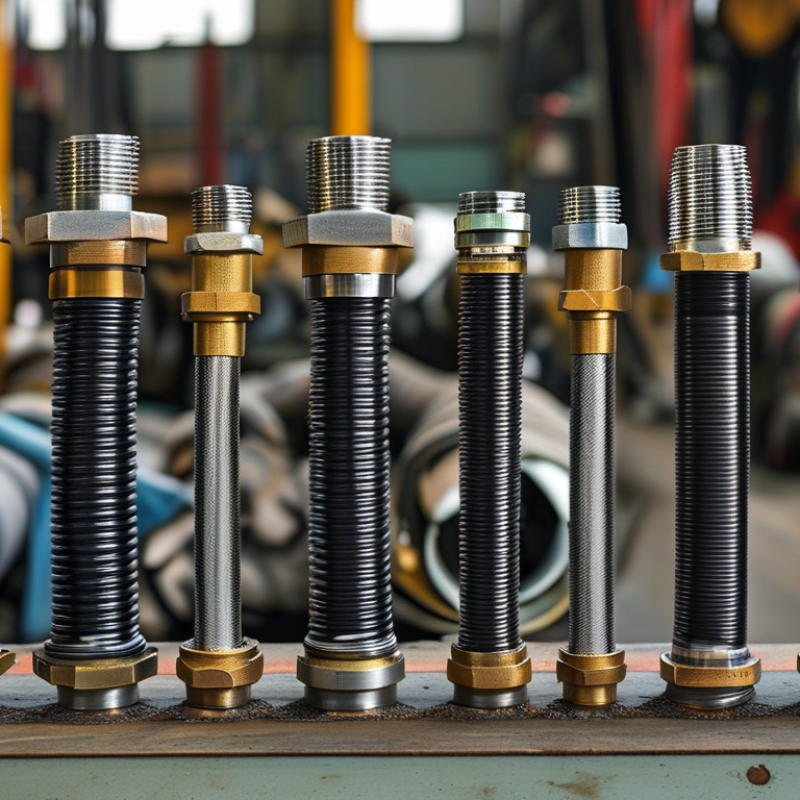
When choosing hydraulic hoses, consider the application. Different types are suitable for various environments. For instance, rubber hoses offer flexibility and can withstand high pressures. Steel braided hoses are best for high temperatures and heavy-duty tasks. Thermoplastic hoses are lightweight and resistant to abrasion, making them efficient for mobile equipment.
In selecting the right hydraulic hose, always assess the working conditions. Temperature and pressure ratings matter significantly. Make sure the hose can handle your specific needs. It's also crucial to evaluate the compatibility of the hose material with the fluid being used. Not all hoses work with every type of hydraulic fluid.
**Tips:** Always consult with industry experts. They can guide you in making an informed decision. Remember, the initial cost may not reflect long-term performance. Monitoring wear and tear can save money later. Be prepared to adjust your choices based on operational feedback. Sometimes, the hose that looks best on paper may not perform as expected in real-life scenarios.
| Hose Type | Applications | Max Pressure (PSI) | Temperature Range (°F) | Material |
|---|---|---|---|---|
| ISO 18752 | Construction, Agriculture | 3000 | -40 to 212 | Synthetic Rubber |
| SAE 100R1 | General Purpose | 2500 | -40 to 212 | Nitrile Rubber |
| SAE 100R2 | Hydraulic Systems | 4000 | -40 to 212 | Reinforced Rubber |
| SAE 100R4 | Return Lines | 300 | -40 to 212 | Synthetic Rubber |
| Wire Braided | Industrial Equipment | 5000 | -40 to 248 | Polyester |
When sourcing hydraulic hoses, several key factors demand attention. The material of the hose plays a crucial role in durability and application. Common materials include rubber, thermoplastics, and metal. According to a recent market analysis, rubber hoses account for 40% of the global hydraulic hose market, thanks to their flexibility and strength. Each material has its strengths and weaknesses, impacting performance under various pressures and temperatures.
The fitting and coupling options are also vital for an efficient hydraulic system. A poorly matched fitting can lead to leaks and reduced efficiency. Industry standards suggest that proper fitting reduces maintenance costs by up to 30%. Sizing is another essential consideration. An incorrectly sized hose may lead to system failures. The hose's operating pressure and temperature ratings must align with system requirements to ensure safety and effectiveness.
Another aspect is the supplier’s reliability. A supplier with established industry credentials can offer better quality assurance. Recent research indicates that suppliers with ISO certifications report 25% fewer quality-related issues. Evaluating a supplier's track record can help mitigate risks associated with sourcing. Choosing the right hydraulic hose isn't just about the lowest price; it requires careful consideration of these technical factors.
When exploring hydraulic hose manufacturing, it’s essential to understand the landscape of top manufacturers. A strong manufacturer provides not only superior quality products but also a commitment to safety standards and innovation. These manufacturers often utilize advanced technology to ensure their hoses meet rigorous performance requirements. Understanding their approach to materials and design can enhance reliability in various applications.
Many leading companies emphasize research and development. This focus leads to improved durability and flexibility in hydraulic hoses. Leading manufacturers invest in rigorous testing. They strive to meet or exceed industry standards, offering products suitable for heavy-duty use. However, even the best teams face challenges in scaling operations and ensuring consistent quality across all production lines.
In the global market, collaboration with these manufacturers makes a significant impact. Engaging with suppliers allows businesses to adapt to regional needs and specific applications. It's fascinating to observe how different regions prioritize various properties, affecting production strategies. Continuous improvement is crucial in an ever-evolving market, as consumer needs shift rapidly. Thus, understanding manufacturer capabilities informs better sourcing decisions and enhances project outcomes.
Sustainability has become a crucial focus in hydraulic hose production. The manufacturing process often involves significant resource use and waste generation. However, many companies are exploring eco-friendly methods to mitigate these issues. They are increasingly adopting recycled materials in their products. This shift not only reduces waste but also promotes resource circularity.
Innovative technologies are emerging to enhance sustainability. Some manufacturers are implementing greener production techniques. These include using water-based adhesives and reducing energy consumption. However, not all companies prioritize these practices. It’s essential to evaluate each supplier's commitment to sustainability. Certifications and audits can provide insights into their practices.
Additionally, as the industry evolves, consumer demand for sustainable products is rising. Companies must adapt or risk losing market share. Yet, maintaining quality and performance while being sustainable remains a challenge. Finding the right balance will require ongoing reflection and adaptation from manufacturers. Sustainability can indeed enhance operational efficiency, but it requires commitment and hard choices.
Maintaining hydraulic hoses is essential for optimal performance and longevity. Regular inspections can identify potential wear and tear early. Check for abrasions, cracks, or leaks regularly. These signs may indicate that the hose is nearing the end of its life cycle. Keeping hoses free from contaminants is also crucial. Dirt and debris can degrade the materials faster, leading to premature failure.
It is important to monitor the operating conditions of hydraulic hoses. Excessive bending or twisting can cause stress. Avoid sharp bends; ensure that hoses are installed with the proper bend radius. Additionally, protect hoses from exposure to extreme temperatures. High heat can deteriorate the rubber, while extreme cold may make it brittle. Using protective sleeves can mitigate these risks.
Routine cleaning of hoses is another maintenance step often overlooked. Use a damp cloth to wipe down hoses, removing dirt and grime. Properly storing hoses when not in use is vital. Avoid storing them in direct sunlight or areas with high humidity. Reflect on your maintenance routine regularly. Consider if there are steps you can add to improve. These practices can significantly extend the life of your hydraulic hoses.
: You should consider the application, working conditions, temperature, and pressure ratings.
Rubber hoses offer flexibility and high pressure resistance. Steel braided hoses excel in high temperatures and heavy-duty tasks.
The hose material must match the type of hydraulic fluid used. Not every hose works with all fluids.
Experts help in making informed decisions. Their experience can guide you toward suitable options for your needs.
By tracking wear, you can save money in the long run. It can inform adjustments needed for better performance.
Sustainability reduces resource use and waste. Companies are adopting eco-friendly practices and recycled materials increasingly.
Leading manufacturers focus on research, development, and rigorous testing to meet industry standards.
Balancing quality and performance with sustainable practices is challenging. It requires ongoing reflection and adaptation.
Different regions prioritize various properties, impacting production strategies and collaboration with suppliers.
Evaluate each supplier's sustainability practices, certifications, and commitment to quality for better sourcing decisions.
When sourcing hydraulic hoses for various applications, it's essential to understand the different types available and their specific uses. The selection process should consider key factors such as pressure ratings, temperature resistance, and compatibility with hydraulic fluids. Additionally, knowing the top manufacturers in the global market can help identify reliable options, but it's equally important to look at the sustainability practices employed in hydraulic hose production to ensure environmentally responsible sourcing.
Maintaining hydraulic hoses is crucial for extending their lifespan and optimizing performance. Regular inspections, proper storage, and adherence to maintenance schedules can prevent unexpected failures and enhance efficiency. By combining insights on types, sourcing factors, manufacturing practices, and maintenance tips, users can make informed decisions that meet their hydraulic hose needs effectively.

Kelong New Materials