What Are the Best Rotary Seal Ring Manufacturers in China?

Time:2026-10-04 Author:Isabella
0%

China’s Rotary Seal Ring industry has moved beyond low-cost production. Manufacturers now compete through material control, tooling accuracy, testing, and export reliability. This matters because one damaged seal can leak lubricant, contaminate a bearing, or stop a production line.

Grand View Research valued the global industrial seals market at approximately USD 13.1 billion in 2023. Its report projects continued growth through 2030, supported by automotive, machinery, energy, and process-equipment demand. MarketsandMarkets also forecasts expansion in the mechanical seals sector, driven by stricter performance requirements and industrial automation. These figures do not isolate every Rotary Seal Ring application. That limitation deserves attention.

A useful industry observation comes from Claus Moehlenkamp, former CEO of Freudenberg Sealing Technologies: “Seals are small components, but they have a big impact.” The statement is simple. Its practical meaning is not. Buyers should examine rubber compound traceability, shaft-speed testing, temperature resistance, compression set, and batch consistency. A polished website proves little.

This guide evaluates leading Chinese manufacturers through those measurable details. It considers ISO certification, laboratory equipment, mold capability, engineering support, minimum order quantities, and international customer experience. Product samples will also be treated carefully. A ring that performs well on a clean test shaft may fail in dusty, misaligned, or high-temperature equipment.

The best supplier is not always the cheapest. Nor is the largest factory automatically the safest choice. Readers should compare evidence, request technical documents, and test samples under real operating conditions. That approach may take longer. It usually costs less than an unexpected shutdown.
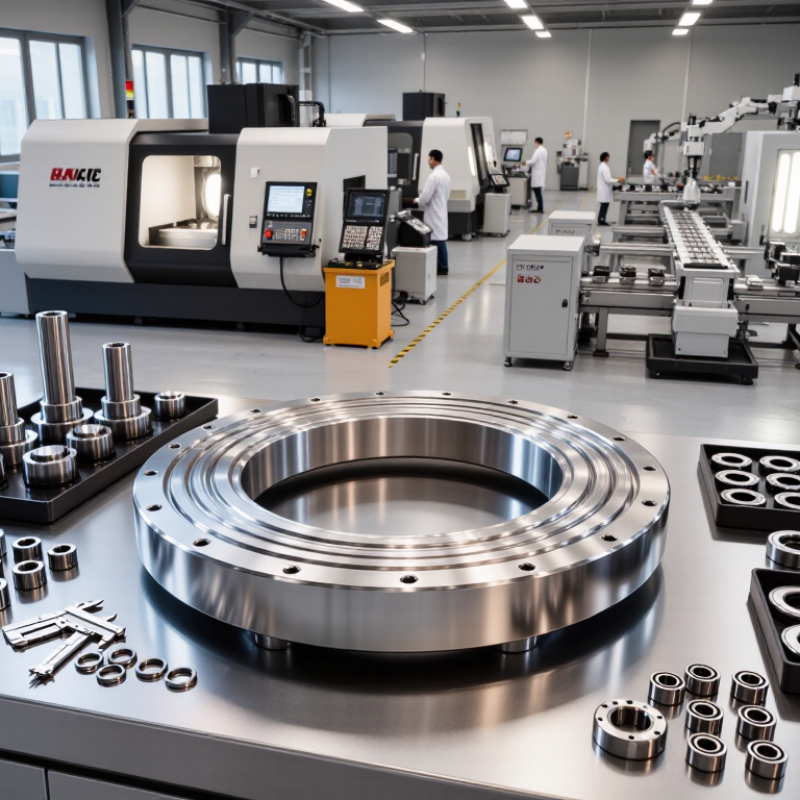
What Are the Best Rotary Seal Ring Manufacturers in China?

What Are Rotary Seal Rings and Where Are They Used?

Rotary seal rings are engineered components that prevent fluid or pressure from escaping around a rotating shaft. They usually combine an elastic sealing element with a rigid support or energizing feature. During operation, the ring follows shaft movement while maintaining contact with the housing. This sounds simple. It is not.

In pumps, gearboxes, mixers, hydraulic motors, and agricultural machinery, these seals protect bearings from oil, water, dust, and process residue. A pump shaft may rotate thousands of times per hour, creating heat and friction at the contact edge. Material choice therefore matters. Nitrile suits many mineral oils, while fluorocarbon compounds handle higher temperatures and aggressive fluids more effectively. Exact limits depend on formulation, speed, pressure, and surface finish. A seal selected from a catalog alone can fail.

Good manufacturers normally control rubber mixing, molding accuracy, support dimensions, and final inspection. Buyers should request test data, tolerance information, traceability, and application guidance instead of relying only on low price. Shaft roughness, runout, installation force, and lubrication deserve equal attention. I have seen premature leakage blamed on the ring when a scratched shaft caused the real problem. That judgment can be wrong. Even a well-made seal needs correct storage and careful installation. Checking the operating temperature and fluid before ordering is a small step, but it often prevents a costly shutdown.

How to Evaluate Rotary Seal Ring Manufacturers in China

Choosing a rotary seal ring manufacturer in China requires more than comparing prices. Evaluate material selection, dimensional control, testing records, and production experience. A reliable supplier should explain how its rings handle pressure, heat, speed, and chemical exposure. Ask for drawings, tolerance data, and sample inspection reports. Clear answers matter.

In practical sourcing work, I have learned that small details often reveal manufacturing discipline. Check the seal surface under magnification. Look for scratches, uneven edges, or inconsistent elasticity. Request batch traceability and a documented quality process. Audited facilities can reduce risk, but an audit is only a snapshot. Regular communication is still necessary. No supplier performs perfectly every time. I once underestimated packaging quality, and several samples arrived deformed. That mistake changed my inspection checklist.

Tips: Compare at least three manufacturers. Test samples in conditions close to actual use. Confirm lead times in writing. Ask how rejected parts are handled. Review independent test results when available. Do not accept vague claims about “high quality.” A dependable manufacturer welcomes specific questions and provides evidence. Even then, keep a small contingency plan. Availability, tooling changes, and raw material variation may affect future batches.

Which Chinese Manufacturers Offer Reliable Rotary Seal Rings?

Reliable Chinese rotary seal ring manufacturers usually stand out through process control, not attractive catalogs. A serious supplier matches the ring material to temperature, shaft speed, pressure, and chemical exposure. Common options include nitrile rubber, fluorocarbon rubber, silicone, and PTFE compounds. Each performs differently.

A practical audit should examine mixing records, mold maintenance, and dimensional inspection. Look for factories that test hardness, compression set, leakage, and rotational wear. Ask for batch traceability and sample reports. A reliable manufacturer can explain tolerances clearly and provide production samples before mass manufacturing. It should also identify the compound grade, rather than simply calling it “oil resistant.” Small details matter.

Experience shows that testing under real operating conditions prevents expensive surprises. Request trial rings on the intended shaft, with actual lubricant and operating temperature. Check for heat cracks, edge wear, and leakage after continuous running. A polished factory visit is not enough. Some suppliers communicate well during sampling but become vague about corrective action later. That weakness deserves attention. Manufacturers with stable engineering teams usually respond with root-cause analysis, revised tooling, and documented replacement plans. They should also protect rings from dust, ozone, and deformation during storage. Lead-time promises need written confirmation, especially when custom molds are involved. Mistakes can still happen, but transparent records make them easier to correct.

What Manufacturing Standards and Quality Tests Should Be Checked?

What Are the Best Rotary Seal Ring Manufacturers in China?

When evaluating Chinese rotary seal ring manufacturers, inspect the production system, not only the catalog. ISO 9001 certification is a useful baseline. The ISO Survey 2022 reported more than 1.2 million ISO 9001 certificates worldwide, showing its broad adoption. However, certification alone proves little about seal performance. Ask for controlled drawings, material traceability, mold maintenance records, and batch-level inspection reports.

Manufacturers should reference ISO 6194 for rotary shaft lip-type seals. Check critical dimensions, sealing-lip geometry, concentricity, surface finish, and flash removal. Rubber compounds need hardness testing, tensile strength testing, elongation testing, and compression-set testing. ISO 815-1 is commonly used for compression set evaluation. A practical audit should also review temperature aging, oil compatibility, friction, leakage, and shaft-speed endurance tests. Test conditions must match the intended application. A laboratory result can look excellent under mild conditions.

Production experience still matters. Examine whether technicians measure every batch, or only initial samples. Request raw-material certificates and verify them against independent testing when the application is demanding. The ISO 2859-1 sampling standard can support acceptance plans, but sampling cannot replace process control. A factory may meet dimensions while producing inconsistent sealing lips. That weakness is easy to miss. Visit the inspection area if possible. Look for calibrated gauges, clean storage, labeled compounds, and visible nonconforming-product controls. I would also compare failure data after field trials, because supplier claims are not always complete. Good manufacturers welcome those questions.

How to Choose the Best Supplier for Your Application?

What Are the Best Rotary Seal Ring Manufacturers in China?

Choosing a rotary seal ring supplier requires more than comparing prices and catalog dimensions. The best supplier should understand your shaft speed, pressure, temperature, lubricant, and operating cycle. Ask for material data, tolerance ranges, and application references from similar equipment.

Request samples before placing a large order. Measure the inner diameter, outer diameter, and sealing lip under controlled conditions. Check whether the supplier can provide compound traceability, inspection records, and batch identification. A reliable manufacturer should explain how it controls molding, trimming, surface defects, and packaging. Small flaws matter.

Testing should reflect real service conditions. Request endurance testing with your actual fluid, speed, and temperature whenever possible. Also review lead times, tooling ownership, replacement support, and communication during design changes. A factory visit or third-party audit can reveal housekeeping and process discipline that documents may hide. Still, audits are only snapshots.

Do not choose the cheapest quotation automatically. A low unit price may become expensive after leakage, downtime, or repeated replacements. Yet a premium price is not proof of quality either. Some supplier claims sound convincing but lack measurable evidence. Compare test methods, acceptance criteria, and corrective-action records. Keep one technical question unanswered, and keep asking.

What Are the Best Rotary Seal Ring Manufacturers in China?

How to Choose the Best Supplier for Your Application

This practical scorecard emphasizes the factors that most directly affect rotary seal performance: application experience, material compatibility, operating capability, quality control, technical documentation, and delivery support. Buyers can adjust the weighting according to shaft speed, pressure, temperature, media, service life, and certification requirements.

FAQS

What documents should I request from a rotary seal ring manufacturer?

Request controlled drawings, material certificates, mold maintenance records, and batch inspection reports. Check whether every document matches the actual production batch.

Which dimensions and features require inspection?

Measure the inner diameter, outer diameter, sealing-lip geometry, and concentricity. Also inspect surface finish, flash removal, and visible defects. Small flaws matter.

Which rubber tests are important for rotary seal rings?

Check hardness, tensile strength, elongation, and compression set. Evaluate temperature aging and oil compatibility under realistic conditions. Mild laboratory results can mislead.

How should testing reflect the final application?

Match testing to shaft speed, pressure, temperature, lubricant, and operating cycle. Endurance testing should use the actual fluid whenever possible. Real conditions matter.

Is quality certification enough when choosing a supplier?

No. Certification provides a useful baseline, but it does not prove sealing performance. Review traceability, process controls, test methods, and corrective-action records.

Should I inspect every production batch?

Ask whether technicians inspect every batch or only initial samples. Sampling plans can support acceptance decisions, but they cannot replace process control. That weakness is easy to miss.

What should I look for during a factory visit?

Look for calibrated gauges, clean storage, labeled rubber compounds, and controlled nonconforming products. Observe trimming, molding, inspection, and packaging areas. The visit is only a snapshot.

Should I choose the lowest quotation?

Not automatically. A low price may lead to leakage, downtime, and repeated replacements. A premium price proves nothing either. Compare evidence, not confidence.

Conclusion

Rotary Seal Ring manufacturers in China serve a wide range of industries, including automotive, hydraulic equipment, construction machinery, pumps, and industrial automation. A Rotary Seal Ring is designed to prevent fluid leakage and protect rotating components from dust, pressure, and wear. When evaluating suppliers, buyers should consider material selection, production experience, engineering capabilities, dimensional accuracy, customization options, production capacity, and communication efficiency. Reliable manufacturers should also provide clear technical documentation, stable product quality, and consistent delivery performance.

Before making a decision, check whether the supplier follows recognized manufacturing and quality management standards. Important inspections may include dimensional measurement, hardness testing, material verification, surface-finish inspection, pressure testing, temperature-resistance testing, and durability or leakage testing under simulated working conditions. The best supplier for a specific application should be selected according to operating speed, temperature, pressure, media compatibility, shaft design, installation requirements, and expected service life. Comparing samples, test reports, warranty terms, and total purchasing costs can help ensure a practical and dependable choice.


Isabella

Isabella

Isabella is a dedicated marketing professional with a sharp focus on driving brand growth and engagement through strategic content creation. With an extensive background in digital marketing, she combines her passion for storytelling with her keen understanding of industry trends to deliver......