How to Choose the Best Dynamic Seal for Your Needs?

Time:2026-05-16 Author:Henry
0%

Choosing the right dynamic seal is crucial for optimal performance in various applications. As John Smith, a leading expert in sealing technology, once stated, “The right dynamic seal can make or break the efficiency of your system.” This highlights the significance of making an informed decision when selecting a dynamic seal.

Dynamic seals are vital in preventing leaks while allowing movement between components. Their performance directly affects machinery durability and overall efficiency. Factors such as material, design, and sizing all play pivotal roles in ensuring that the seal performs its intended function. It can be challenging to choose the right one; many options exist.

Understanding the specific needs of your application requires expertise. Not all dynamic seals are created equal, and what works for one scenario may not suit another. Choosing a subpar seal can lead to costly downtime and equipment failures. Therefore, investing time in research and consulting professionals is essential.
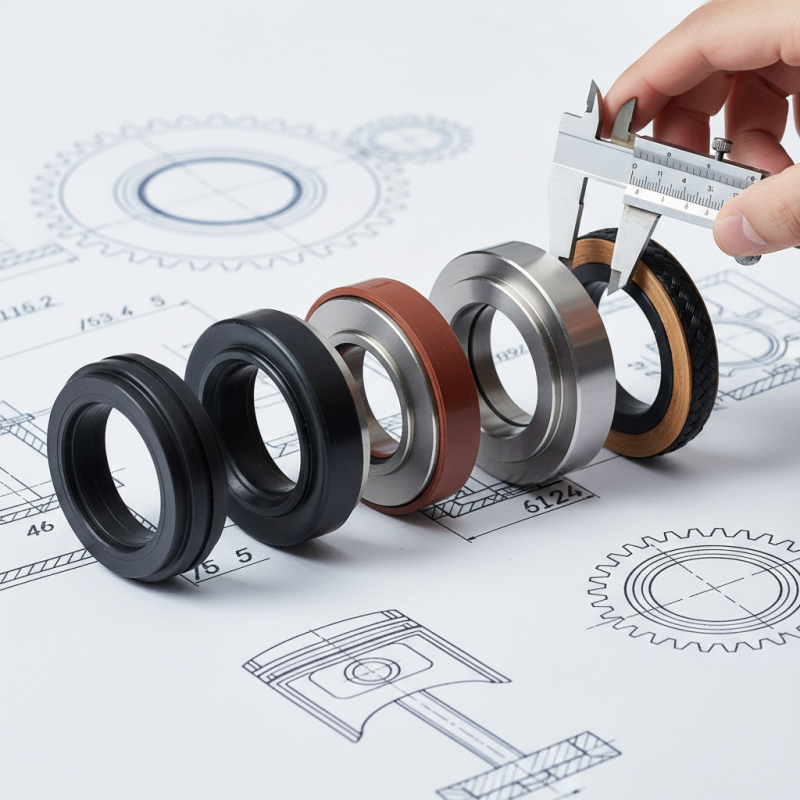
How to Choose the Best Dynamic Seal for Your Needs?

Understanding Dynamic Seals: Types and Applications

Dynamic seals play a critical role in a variety of industries. Understanding the types of dynamic seals is essential for selecting the right one for a specific application. Common types include lip seals, rotary seals, and hydraulic seals. Each type has unique characteristics suited for different conditions. For instance, lip seals are highly effective against contaminants in rotating shafts but have limitations in high-temperature applications.

According to a recent market report, the global demand for dynamic seals is projected to grow by 5.5% annually through 2025. This growth is driven by advancements in technology and increased applications in automotive and aerospace sectors. In automotive, for example, dynamic seals are crucial for ensuring the efficiency of engines and transmissions. Inadequate seal performance can lead to significant oil leaks, costing manufacturers millions.

Despite their importance, choosing the right seal is not always straightforward. Factors like temperature, pressure, and chemical exposure must be considered. Often, there is not enough data regarding the long-term performance of specific materials. As a result, trial and error might be necessary to achieve the best results. Engineers must balance performance with cost-effectiveness, often leading to challenging decisions.

Evaluating Material Options for Dynamic Seals

Choosing the right material for dynamic seals is crucial. The performance of a seal relies heavily on its construction material. Different applications face varying conditions, so understanding the environment is essential. For instance, seals in high-temperature settings need material that can withstand heat without degrading. Materials such as fluorocarbons or silicone rubber may be optimal in these cases.

Moreover, chemical compatibility is another factor. Seals often encounter various substances, from oils to aggressive chemicals. Not every material can resist these agents effectively. Some choices may initially seem suitable but fail over time. Always consider the long-term implications of your material selection. Testing different materials in real-world scenarios can provide valuable insights.

Moreover, consider the mechanical properties of the materials. Hardness, elasticity, and tensile strength play significant roles in how a seal performs. A seal that appears strong on paper might not hold up in practical situations. Gathering data and feedback from practical applications can lead to better decisions. Ultimately, balancing these factors is vital in selecting the ideal dynamic seal.

Key Factors to Consider When Selecting a Dynamic Seal

Choosing the right dynamic seal is not just about matching it to the size of your machinery. It involves a thorough consideration of various key factors. Material compatibility is crucial. Different seals are made from elastomers, metals, or polymers. Each material has a unique ability to withstand chemical exposure. Make sure to reference industry standards like ASTM and API for guidance on compatibility.

Pressure and temperature also play significant roles in seal selection. Some seals can handle high pressures, while others excel in extreme temperatures. Data from the Seal and Gasket Manufacturers Association (SGMA) suggests that approximately 70% of seal failures stem from improper specification. This statistic highlights the importance of accurate assessment before making a selection.

**Tip:** Always consult specific application data sheets to ensure optimal performance under your conditions. This proactive approach can save time and resources in the long run.

Another aspect to reflect on is the seal's operational environment. Dust, moisture, and other contaminants can degrade seal function. According to industry reports, seals exposed to harsh environments can exhibit a reduced lifespan. Understanding these factors is vital for long-term reliability.

**Tip:** Conduct regular inspections and maintenance to assess the condition of your seals. Preventative measures can greatly extend their usability.

Analyzing Operating Conditions and Their Impact on Seal Choice

When selecting a dynamic seal, understanding operating conditions is crucial. Temperature is a key factor. For instance, seals used in extreme heat can fail rapidly. A study indicated that seals can deteriorate by 10% for every 10°C increase. This data emphasizes the importance of matching seals to thermal conditions.

Pressure also plays a significant role. Seals under high pressure must be designed to withstand such stress. Research suggests that improperly rated seals can fail under pressures as low as 70% of their maximum. This highlights the need for precise evaluations to ensure reliability.

Fluid compatibility is another critical aspect. Seals must endure chemical exposure without degrading. Many materials can react poorly to certain fluids, leading to rapid failure. Reports show that up to 30% of seal failures are due to chemical incompatibility. Evaluating these factors can prevent costly downtime in various applications. Choosing the right seal isn’t just about specifications; it’s about understanding how those specs align with the unique conditions of use.

Dynamic Seal Type Performance Based on Operating Conditions

This chart illustrates the performance ratings of different dynamic seal types based on various operating conditions such as temperature, pressure, speed, chemical resistance, and wear resistance. By analyzing these parameters, you can make an informed decision on the best seal for your application needs.

Assessing Cost vs. Performance in Dynamic Seal Selection

When selecting a dynamic seal, balancing cost and performance is crucial. A thorough understanding of your application helps in making an informed decision. Consider the specific conditions under which the seal will operate. Factors like temperature, pressure, and fluid compatibility play significant roles. Each of these aspects affects not just performance but also long-term costs.

In some cases, opting for a less expensive seal may lead to higher maintenance costs over time. For instance, a seal that fails frequently can disrupt operations. This creates unexpected downtime and financial losses. It’s essential to analyze the trade-offs carefully. Sometimes, investing a bit more upfront can yield better reliability and efficiency.

Testing different seals can provide insights into their real-world performance. Documenting the outcomes helps in refining future choices. Review feedback from users with similar applications. This practical knowledge can highlight potential pitfalls in seal selection. Striking the right balance between cost and performance is an ongoing challenge. Each application will lead to lessons that deepen your understanding of dynamic seals.

FAQS

: What are dynamic seals and why are they important?

: Dynamic seals are used in many industries to prevent fluid leaks. They ensure efficiency in machinery.

What are the common types of dynamic seals?

Common types include lip seals, rotary seals, and hydraulic seals. Each type suits different conditions.

How does temperature affect seal performance?

Higher temperatures can rapidly degrade seals. One study found a 10% deterioration for every 10°C increase.

What happens when seals are not properly specified?

Improper specifications can lead to failures. Studies indicate 70% of seal failures arise from incorrect selection.

How can environmental conditions impact seals?

Harsh conditions, like dust and moisture, can shorten seal lifespan. Regular inspections can help maintain performance.

What is the role of material compatibility?

Material compatibility is crucial for seal performance. Poor choices can lead to chemical reactions and quick failures.

Are there industry standards for selecting seals?

Yes, referencing standards like ASTM and API is essential. They guide material compatibility and performance expectations.

Can trial and error be necessary when selecting seals?

Yes, sometimes data is insufficient. Engineers might need to experiment to find the best seal for specific applications.

How can costly downtime be avoided with seals?

Evaluating seals for fluid compatibility can prevent failures. This assessment saves time and reduces unexpected downtime.

What is a key preventative measure for seals?

Conducting regular inspections is vital. It helps assess the condition, extending the usability and reliability of seals.

Conclusion

Choosing the best dynamic seal for your needs involves a comprehensive understanding of various types and their specific applications. Dynamic seals play a crucial role in preventing leaks in systems that experience movement, and thus it's essential to evaluate the material options available, considering factors such as durability and resistance to temperature and chemicals.

When selecting a dynamic seal, key factors include the operating conditions like pressure, speed, and temperature, which significantly influence seal performance and longevity. Additionally, it’s vital to assess the cost versus performance to ensure that the chosen seal meets both functional requirements and budget constraints. By carefully analyzing these aspects, one can make an informed decision that results in effective sealing solutions tailored to specific operational demands.


Henry

Henry

Henry is a dedicated marketing professional with a profound expertise in the company's offerings. With years of experience in the industry, he possesses an impressive understanding of the market dynamics and consumer behaviors that drive success. Henry is committed to sharing his insights through......