When selecting Hydraulic Piston Seals, precision is paramount. The right seal can significantly impact system efficiency. According to a 2022 market report by Research and Markets, the global hydraulic seal market is projected to reach $3 billion by 2026, driven by industrial growth and innovation. This underscores the importance of choosing high-quality seals.
Choosing the proper seal involves understanding diverse factors such as material compatibility and pressure ratings. An improperly chosen seal could lead to system failures and costly downtime. A report from the International Journal of Fluid Power emphasized that around 25% of hydraulic system failures stem from seal-related issues. Thus, making informed decisions is crucial.
Another concern is the seal's resistance to wear and environmental factors. Specific applications demand seals that withstand extreme temperatures and aggressive fluids. Engaging with experienced professionals can help guide your choices. However, relying too much on a single source might lead to oversight. Evaluating multiple options allows for a more comprehensive understanding of available seals and their performance in real-world applications.
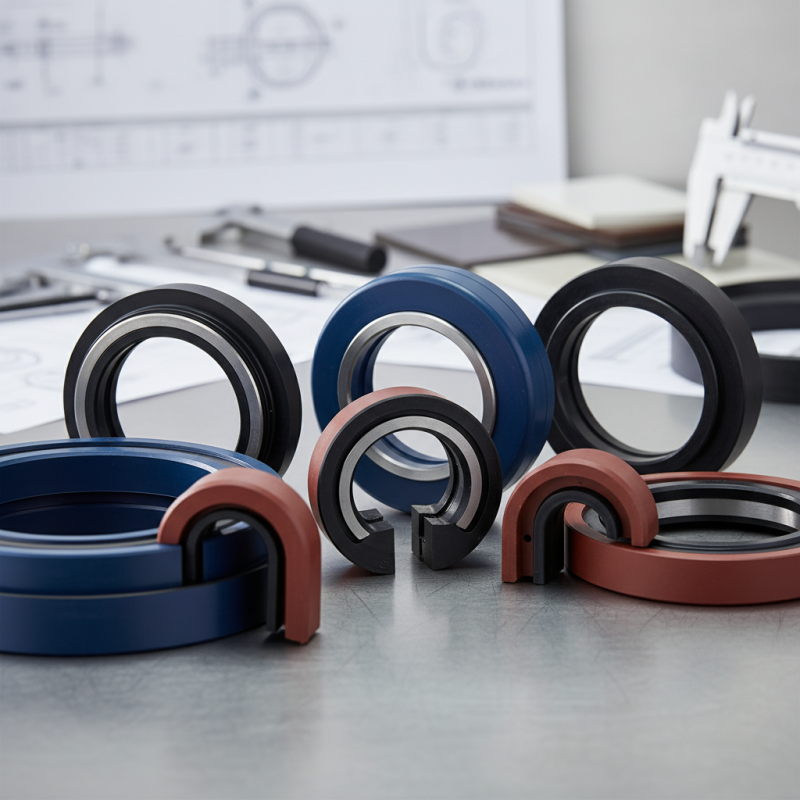
Hydraulic piston seals play a crucial role in fluid power systems. They provide a tight seal between the moving piston and the cylinder wall, preventing fluid leakage. This is essential for maintaining system efficiency and safety. One small flaw in a seal can lead to significant performance issues. A worn or damaged seal can result in increased maintenance costs and downtime. It’s essential to choose the right seal for each application.
When selecting hydraulic piston seals, consider the operating conditions. Factors such as temperature, pressure, and fluid type can affect seal performance. For instance, high temperatures may require seals made from specific materials. In contrast, corrosive fluids might need seals with special coatings. Engineers must take these details into account to prevent premature seal failure. Small changes can result in unexpected challenges.
Unsuitable seals can lead to inefficient machinery operation. Regular inspections can help identify wear and tear before it becomes a major issue. Seals are not one-size-fits-all. Each application has unique requirements. Understanding these aspects can help in making informed choices that enhance system reliability. Careful evaluation and selection are key to long-term success in fluid power applications.
| Tip No. | Tip Description | Material Consideration | Temperature Range | Compatibility |
|---|---|---|---|---|
| 1 | Understand application requirements | Nitrile, Viton | -20°C to 100°C | Hydraulic Oil |
| 2 | Choose the right seal design | U-Cup, O-Ring | -40°C to 120°C | Water-based Fluids |
| 3 | Evaluate pressure ratings | Polyurethane | -30°C to 90°C | Mineral Oil |
| 4 | Ensure proper lubrication | PTFE | -50°C to 200°C | Biodegradable Fluids |
| 5 | Consider environmental factors | Silicone | 0°C to 150°C | Chemical Exposures |
| 6 | Assess abrasive conditions | Polyacrylate | -10°C to 110°C | Mining Applications |
| 7 | Review replacement cycle | Fluorocarbon | -20°C to 200°C | High-Temperature Applications |
| 8 | Select seals for dynamic vs static | Polymer Blends | -40°C to 100°C | Applications with Movement |
| 9 | Test seals under actual conditions | Composite Materials | 0°C to 80°C | Specific Oil Types |
| 10 | Consult with experts | Custom Materials | -50°C to 250°C | Various Fluids |
: Temperature range, chemical compatibility, and mechanical properties are critical factors.
Different materials perform variably in high or low temperatures, impacting lifespan and effectiveness.
Seals must resist hydraulic fluids and potential contaminants. Wrong material choice can lead to degradation.
Accurate tolerances prevent fluid leakage and enhance sealing efficiency. The standard is +/- 0.02 mm for diameter.
Miscalculations can cause operational issues, increased wear, and diminished system performance.
Regular maintenance can extend seal life by up to 30%. Keeping seals clean and lubricated is crucial.
Improper installation is a major cause of seal failures. Follow detailed guidelines and use checklists.
High-quality elastomers are often recommended for their performance in varying conditions.
Training can reduce installation errors, as over 20% of seal failures stem from improper techniques.
Overlooking environmental conditions during material selection can lead to rapid wear.
Hydraulic Piston Seals play a crucial role in fluid power systems, ensuring efficient operation and preventing fluid leaks. When choosing these seals, several factors must be considered, including the material selection, which is influenced by the specific hydraulic applications and conditions they will face. Understanding the environmental conditions—such as temperature, pressure, and compatibility with the media—is vital for maintaining seal integrity.
Moreover, precise assessment of seal size and fit is essential for ensuring proper tolerances and clearances, as these factors directly affect performance. Implementing effective maintenance and replacement practices is also crucial for enhancing the longevity of Hydraulic Piston Seals, allowing for optimal system functionality over time. By paying attention to these key aspects, one can select the right seals that contribute to the reliability and efficiency of hydraulic systems.

 Kelong New Materials