When looking for a High Pressure Hose, it is essential to make an informed choice. High pressure hoses are vital for various applications, from industrial use to home cleaning. A reliable hose ensures safety, efficiency, and durability. But with so many options available, how do you find the right one?
Understanding the specifications of high pressure hoses can feel overwhelming. Factors such as heat resistance, material, and length matter greatly. Each application may require different features. Often, buyers overlook these details, leading to frustrating results. Choosing a hose without proper knowledge can result in leaks or bursts.
This guide aims to simplify the buying process. We'll share practical tips and insights gained from experts in the field. By the end of this guide, you will feel more confident in selecting the best high pressure hose for your needs. Let's dive into the essential aspects that can help you make a wise purchase.
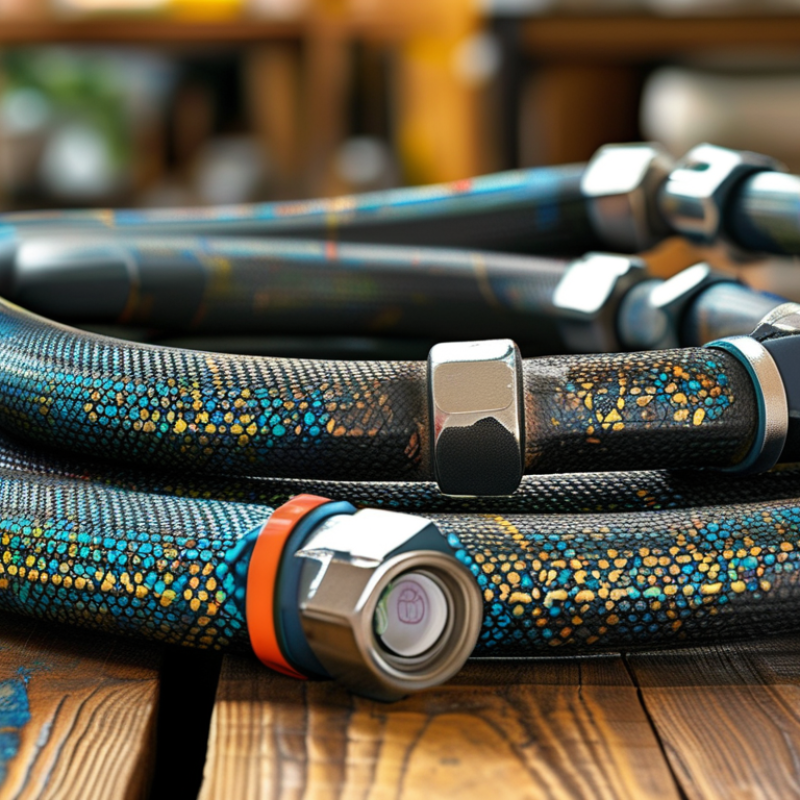
When choosing a high-pressure hose, several critical factors come into play. The material of the hose is paramount. Rubber hoses are durable, while PVC options are more lightweight. Knowing the environment you'll use it in helps determine the best choice. Consider the temperature range as well; each hose type works best within a specific temperature limit. This is essential for safety and performance.
Another key aspect is the hose diameter. A larger diameter may allow more flow, but it can also increase weight. It might be cumbersome for some tasks. It's worth reflecting on how often you will use the hose. Frequent users may prioritize durability, while occasional tasks might favor flexibility and ease of storage.
Pressure ratings are crucial too. High-pressure hoses come with varying ratings depending on their intended use. A mismatch between the hose's rating and the pressure required can lead to leaks or bursts. It's always advisable to err on the side of caution. Look for hoses that exceed your required pressure, providing an additional safety buffer.
| Feature | Description | Recommendation |
|---|---|---|
| Material | Common materials include PVC, rubber, and thermoplastic. Each offers different durability and flexibility. | Choose based on application: rubber for durability, PVC for lightweight. |
| Pressure Rating | Indicates the maximum pressure the hose can handle. Ratings typically range from 1000 to 5000 PSI. | Select a hose with a pressure rating higher than your application needs. |
| Diameter | Hoses come in various diameters. Smaller diameters increase pressure but reduce flow. | Match diameter to your equipment specifications for optimal performance. |
| Length | Available in various lengths, too long can cause pressure drop, too short limits mobility. | Choose length based on your workspace and equipment distance. |
| Temperature Range | Hoses can handle different temperature ranges; typical ranges are -20 to 200°F. | Ensure the hose can withstand the conditions of your environment. |
| End Fittings | Hoses come with various fittings such as threaded, quick-connect, etc. | Select fittings that match your existing equipment. |
| Flexibility | Some hoses are more flexible, making them easier to maneuver. | Choose flexible hoses for tight spaces or frequent movement. |
| Abrasion Resistance | Some hoses offer enhanced resistance to abrasion and wear. | Consider if your hose will be in contact with rough surfaces. |
| Weight | Weight varies by material and thickness, affecting portability. | Select a weight you can handle easily for your tasks. |
| Price | Prices vary widely based on material, length, and brand. | Determine your budget and compare options for value. |
: Rubber hoses are durable, while PVC hoses are lightweight. Consider your specific needs when making this choice.
A larger diameter may increase flow but also add weight. Think about the tasks you'll perform with it.
Always look for the maximum pressure rating on the hose. Ensure it matches your intended use to avoid dangers.
Ignoring ratings can lead to accidents, like a hose bursting under pressure. Always prioritize safety in your selection.
Regular inspections are vital. Look for cracks or wear that might indicate potential failure.
Clean the hose with mild soap and water. Rinse thoroughly to prevent blockages and maintain performance.
Store it in a cool, dry place, away from direct sunlight. UV rays can damage the material over time.
Yes, sharp bends can cause internal damage. Use hose supports or reels to maintain a safe shape.
Yes, outdoor elements and chemicals can wear down a hose quickly. Regular inspection is crucial in these conditions.
Regular maintenance and cleaning are essential. Frequent care can prevent costly repairs down the line.
When selecting a High Pressure Hose, several essential factors come into play. First, it’s important to understand the various types of hoses available and their specific uses, as different applications may require different materials and designs. Next, considering the material options is crucial; each comes with its own set of advantages and disadvantages that can impact durability and performance.
Another critical aspect is the pressure ratings of hoses, as they determine the maximum pressure a hose can safely handle. This is vital for ensuring that the hose meets the demands of your tasks without risk of failure. Finally, incorporating regular maintenance tips can significantly extend the lifespan of your High Pressure Hose, ensuring consistent and efficient performance over time. By keeping these factors in mind, buyers can make informed decisions that suit their specific needs.

 Kelong New Materials