In various industrial applications, the Hydraulic Guide Ring plays a crucial role in enhancing machinery performance. Industry data indicates that improper sealing can lead to efficiency losses of up to 30%. The Hydraulic Guide Ring helps mitigate these losses by ensuring optimal sealing and reducing wear on components. With the rise of automation, the demand for reliable hydraulic systems continues to grow, emphasizing the importance of durable materials and precise engineering.
Hydraulic Guide Rings not only support dynamic movement but also extend the longevity of equipment. According to a recent report from the International Journal of Fluid Power, effective sealing solutions can increase machinery lifespan by up to 25%. This statistic highlights the need for engineers to select high-quality guide rings that meet industry standards. However, the challenge lies in balancing cost with performance. Cheaper alternatives may seem appealing yet often lead to frequent maintenance and replacements.
In the complex landscape of industrial hydraulics, the Hydraulic Guide Ring emerges as an innovative solution. It combines reliability with efficiency. As professionals in the field assess their needs, acknowledging the potential trade-offs will be essential for future growth and performance. The right choice in guide rings may drive significant improvements, pushing the limits of what machinery can achieve.
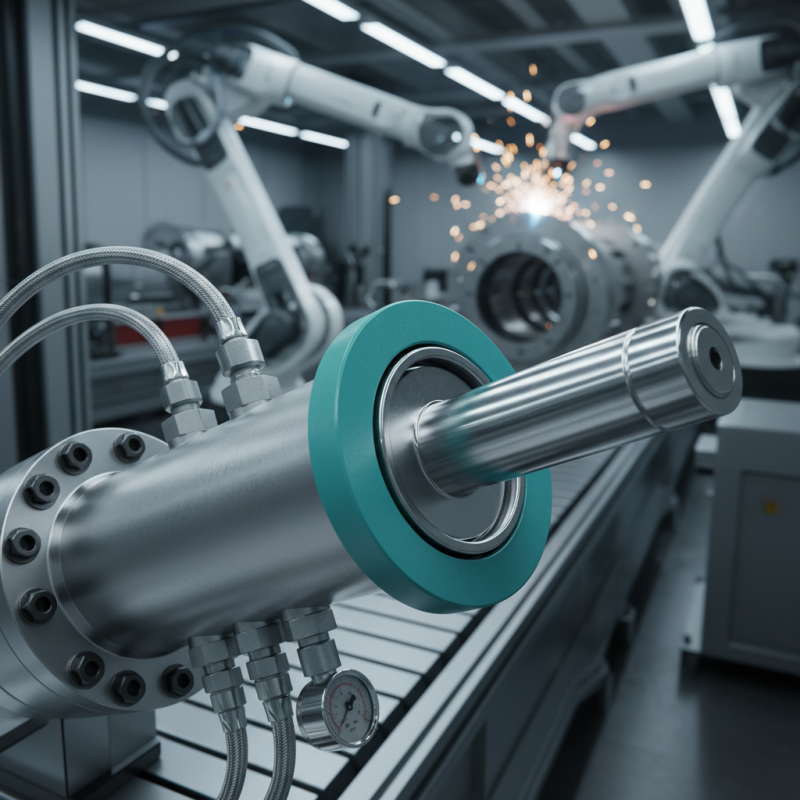
What is a Hydraulic Guide Ring?
A hydraulic guide ring is an integral component in various hydraulic systems. It serves to provide support and guidance for moving parts, ensuring smooth operation and reducing wear. Typically made from durable materials, these rings withstand high pressures and fluctuating temperatures. Their design often incorporates specific dimensions to fit various setups, making them versatile for different applications.
One notable advantage of hydraulic guide rings is their role in improving system efficiency. By maintaining alignment, they prevent excessive friction and energy loss. Additionally, they can help reduce maintenance frequencies. However, not all materials are equally effective. Some rings may wear out faster than expected, leading to potential leakage.
Proper selection is key. It's important to consider factors like compatibility with system fluids and anticipated pressure ranges. This ensures the guide rings perform optimally. Frequent evaluations of their condition can prevent larger issues down the line. Understanding these factors can enhance overall system reliability.
The Functionality of Hydraulic Guide Rings in Machinery
Hydraulic guide rings play a crucial role in various types of machinery. They ensure the proper alignment and smooth operation of moving parts. These rings help prevent wear and tear by providing a stable interface. The fluid pressure within the system aids in reducing friction. This enhances overall efficiency and prolongs the lifespan of machinery.
In practice, hydraulic guide rings are often subjected to significant forces. They are designed to withstand high pressures and temperatures. This durability is essential in heavy-duty applications. Users may notice reduced maintenance needs as a result. However, not all guide rings perform equally well. Some may wear out faster than expected, leading to operational concerns.
It’s vital to recognize that choosing the right material is key. Different environments may require specific types of hydraulic guide rings. Regular inspections and replacements are necessary to maintain operational reliability. Neglecting these aspects can lead to costly downtimes. Thus, understanding the unique needs of a system will enhance performance and longevity.
Key Advantages of Using Hydraulic Guide Rings
Hydraulic guide rings play a crucial role in machinery and equipment where precise movement is necessary. These rings help in guiding hydraulic cylinders, reducing friction, and ensuring smooth operation. One of the key advantages of using hydraulic guide rings is their ability to enhance overall efficiency. They create a stable path for the cylinder rod, which minimizes wear and prolongs the lifespan of components.
Another notable benefit is the reduction in energy consumption. By lowering friction, hydraulic guide rings allow systems to operate with less force, saving energy. This not only leads to lower operational costs but also promotes sustainability in manufacturing processes. Additionally, they facilitate better alignment, which can prevent costly downtime due to misalignment issues.
However, the selection of the right hydraulic guide ring can be challenging. Factors such as material and size must be considered carefully. Choosing poorly can lead to premature wear or failure. Regular maintenance and inspection are also essential to ensure optimal performance. Failure to do so can result in unexpected breakdowns, highlighting the importance of proactive approaches in hydraulic system management.
What is a Hydraulic Guide Ring and its Key Benefits?
| Feature |
Description |
Key Benefits |
| Material |
Typically made from durable polymers like PTFE or PU. |
High resistance to wear and tear, extending service life. |
| Lubrication |
Self-lubricating properties to reduce friction. |
Minimizes maintenance effort and downtime. |
| Temperature Resistance |
Can withstand high and low temperature extremes. |
Versatile usage in various industrial environments. |
| Installation |
Easy to install and replace without specialized tools. |
Saves time and costs in assembly processes. |
| Seal Integrity |
Excellent sealing performance under pressure. |
Prevents leaks and improves operational safety. |
Applications of Hydraulic Guide Rings in Various Industries
Hydraulic guide rings are essential in various industries, facilitating smooth and efficient machinery operations. These rings minimize friction and wear, ensuring that hydraulic cylinders operate effectively. In construction, for instance, they enhance the performance of heavy-duty equipment. Their ability to withstand extreme pressures makes them invaluable in this sector.
In the automotive industry, hydraulic guide rings ensure precise movement in systems such as braking and steering. Their robust design allows them to function reliably under demanding conditions. This reliability is crucial for vehicle safety and performance. Furthermore, these rings are often used in manufacturing processes, where efficiency directly impacts productivity.
Tips: Regular maintenance of hydraulic systems can prevent failures. Inspect guide rings for signs of wear to avoid potential issues. Ensure proper lubrication to extend the life of hydraulic components. While hydraulic guide rings offer many advantages, their effectiveness relies heavily on the quality of materials used. Consider this carefully when making choices for your projects.
Applications and Benefits of Hydraulic Guide Rings
Hydraulic guide rings are crucial components used across various industries for their durability and efficiency. This chart illustrates the usage frequency of hydraulic guide rings in different sectors, showing a significant reliance in oil & gas and manufacturing industries. Their ability to reduce friction and wear enhances productivity and product longevity.
Maintenance Practices for Hydraulic Guide Rings
Hydraulic guide rings are essential components in various machinery, providing stability and alignment for moving parts. However, they require consistent maintenance to ensure optimal performance. Regular inspection is crucial. Look for any signs of wear or damage. Small cracks or unusual wear patterns can indicate a need for replacement.
Lubrication is another key aspect of maintaining hydraulic guide rings. Use the recommended lubricants. Proper lubrication minimizes friction and prevents overheating. Insufficient lubrication can lead to premature failure. It's also important to check the installation regularly. Misalignment can cause uneven wear and reduce the lifespan of the ring.
Finally, cleanliness plays a significant role in the longevity of hydraulic guide rings. Dust and debris can enter the system and cause damage. Implement a routine cleaning schedule. Use gentle methods to avoid causing more harm. These practices, while simple, require diligence and attention to detail for effective maintenance.
Conclusion
A Hydraulic Guide Ring is a crucial component in various machinery, designed to provide precise guidance and support for moving parts. Its effective functionality ensures smooth operation by reducing friction and wear, ultimately extending the lifespan of machinery components. The key advantages of using Hydraulic Guide Rings include enhanced accuracy in alignment, improved efficiency, and reduced maintenance costs, making them essential for optimal performance in hydraulic systems.
These guide rings find applications across multiple industries, including manufacturing, construction, and automotive, where reliable motion control is critical. Proper maintenance practices are necessary to ensure their longevity and effectiveness, which involves regular inspections and timely replacements when wear occurs. Overall, Hydraulic Guide Rings play a significant role in advancing the reliability and productivity of hydraulic machinery.

 Kelong New Materials