What is Rubber Seal and How to Choose the Best One?

Time:2026-08-10 Author:Sophia
0%

When it comes to sealing applications, understanding the role of a Rubber Seal is crucial. These seals are designed to prevent leaks in various environments, ranging from automotive to construction. Selecting the right Rubber Seal can make a significant difference in performance and longevity.

In an ideal scenario, a Rubber Seal should fit perfectly and create a reliable barrier against water, air, and dust. However, the market offers numerous options, making the choice overwhelming for consumers. Factors such as material type, size, and application specifics all play critical roles in the decision-making process.

Considering the environment where the seal will be used is essential. For example, exposure to extreme temperatures or chemicals can affect the seal's durability. Researching brands and seeking professional advice can also lead to better choices. Understanding these factors ensures the selected Rubber Seal meets your specific needs effectively.
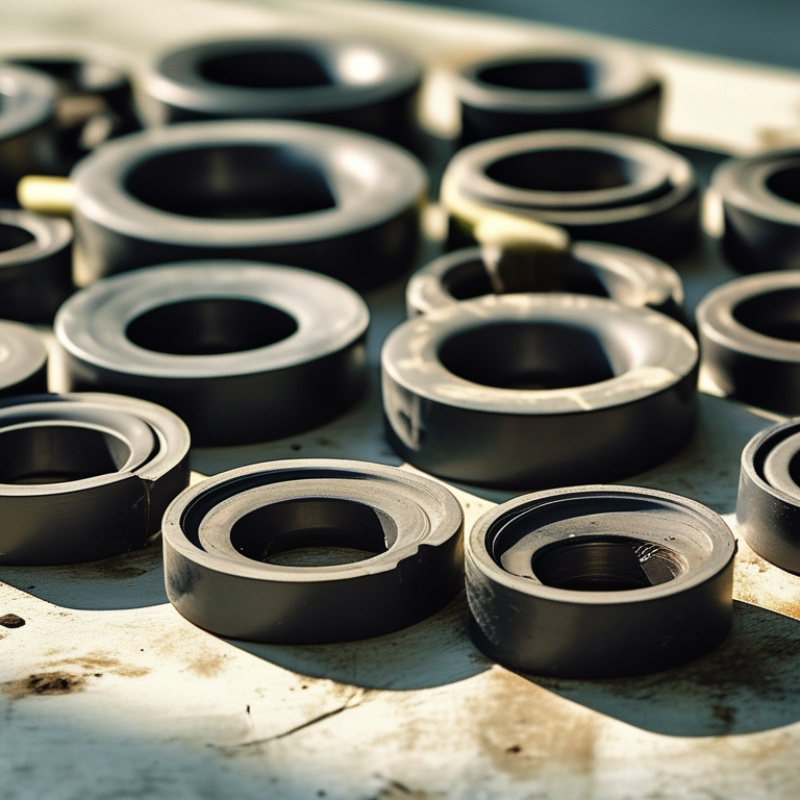
What is Rubber Seal and How to Choose the Best One?

What is a Rubber Seal and Its Functionality?

Rubber seals play a crucial role in various applications, providing effective solutions for preventing leakage and contamination. They are widely used in automotive, aerospace, and industrial sectors. According to market research, the global rubber seals market is projected to grow by 5.2% annually, reaching $10 billion by 2025. This growth reflects the increasing demand for reliable sealing solutions in diverse industries.

The functionality of a rubber seal depends on its composition and design. A well-designed seal can withstand extreme temperatures and pressures. For example, neoprene and EPDM are common materials known for their durability and resistance to harsh conditions. Reports indicate that seals made from these materials last 50% longer than those using inferior compounds. However, not all seals perform equally; improper selection can lead to failures and increased costs.

Understanding the specific needs of your application is vital. Factors like environment, load conditions, and chemical exposure must be considered. Even small variations in material can significantly impact performance. Industry studies suggest that nearly 30% of sealing failures arise from inadequate material choices. Hence, choosing the right rubber seal is more than just a cost decision; it requires careful analysis and a deep understanding of functionality.

Types of Rubber Seals and Their Applications

Rubber seals come in various types, each designed for specific applications. O-rings are one of the most common types. They excel in creating airtight seals in hydraulic and pneumatic systems. Their circular shape provides even pressure distribution, which makes them effective in a wide range of environments. On the other hand, gaskets are flat seals often used in machinery and automotive applications. They can handle irregular surfaces and are excellent for preventing leaks between two surfaces.

Another type is the lip seal, frequently found in rotating applications. These seals have a flexible lip that maintains contact with the shaft, minimizing leakage and wear. They are vital in keeping lubricants in while preventing dirt and debris from entering. When choosing a rubber seal, consider factors like temperature range, resilience, and compatibility with the fluids involved.

Considering the specific environment is crucial. Some seals perform poorly in extreme temperatures, while others may degrade in contact with certain chemicals. It's important to test seals in the intended application before finalizing any choices. Gathering feedback from practical applications can guide future selections, ensuring reliability and longevity.

Types of Rubber Seals and Their Applications

Factors to Consider When Choosing a Rubber Seal

When selecting a rubber seal, several critical factors require careful consideration. The material properties of the rubber are paramount. Different types of rubber, like EPDM or nitrile, cater to varying temperature and chemical exposure levels. Understanding the operating environment helps in making informed choices. The seal must withstand potential wear from fluids or gases it might encounter.


The seal's design also plays a crucial role. Factors such as the profile and dimensions will influence its effectiveness. A proper fit is necessary to prevent leaks and ensure longevity. It's worth noting that a small oversight in measurement can result in significant functional issues. Additionally, the environment where the seal operates should be assessed. Extreme temperatures or pressures could compromise performance.


Installation practices should not be overlooked, as improper installation can lead to premature failure. Choosing a quality seal demands a balance between cost and reliability. Sometimes cheaper options seem appealing, but they may lead to more expenses over time. Each choice requires reflection on long-term implications and potential challenges.

Comparing Material Options for Rubber Seals

When selecting rubber seals, material choice is critical. Different rubber materials offer unique properties. For instance, neoprene is known for its resistance to heat and chemicals. EPDM, on the other hand, excels in weather resistance and durability. A study by the Rubber Manufacturers Association (RMA) indicates that nearly 45% of industrial seals utilize EPDM due to its versatility.

Another common option is silicone. Silicone rubber seals perform well in extreme temperatures. They maintain flexibility at low temperatures and resist degradation in high heat. According to a report by Technavio, the global silicone sealant market is expected to grow by 5.1% annually, illustrating the demand for reliable solutions.

Despite the advantages, challenges exist. Selecting the wrong material can lead to premature failure. For example, using standard rubber in a high-temperature application often results in breakdown. Failure to match seal properties with specific application needs can lead to inefficiencies. Therefore, understanding material characteristics is vital for effective seal performance.

Maintenance Tips for Prolonging Rubber Seal Lifespan

Maintaining rubber seals is crucial for ensuring their longevity and effectiveness. One important aspect is regular cleaning. Dust and debris accumulate over time, compromising the seal’s performance. Use a mild soap solution and a soft cloth to clean the surface. Avoid harsh chemicals, as they can degrade the rubber.

Another key factor is examining the seals for signs of wear. Cracks, discoloration, or rigidity indicate that the seals may need replacement. Inspect them regularly, especially in high-use areas. Proper lubrication can also enhance their lifespan. Use silicone-based lubricants to reduce friction and prevent tearing.

Finally, environmental conditions matter. Extreme heat or cold can affect rubber seals. Storing equipment in a controlled environment helps maintain seal integrity. Consider these tips to help ensure your rubber seals perform as they should. A proactive approach saves costs in the long run.

What is Rubber Seal and How to Choose the Best One? - Maintenance Tips for Prolonging Rubber Seal Lifespan

Seal Type Material Temperature Rating Durability Maintenance Tips
O-Ring Seal Nitrile Rubber -40°C to 120°C Good Lubricate periodically, store in a cool dry place.
Flat Seal EPDM -45°C to 150°C Excellent Inspect regularly for wear, clean with mild soap.
Gasket Seal Silicone Rubber -60°C to 200°C Very Good Avoid sharp tools during installation, store away from direct sunlight.
Sponge Seal Neoprene -30°C to 100°C Good Keep clean, replace if hard or brittle.

FAQS

: What types of rubber seals are common?

: Common types include O-rings, gaskets, and lip seals. Each serves specific uses in various environments.

How do O-rings function?

O-rings create airtight seals in hydraulic and pneumatic systems. Their circular shape helps distribute pressure evenly.

What applications use gaskets?

Gaskets are used in machinery and automotive settings. They prevent leaks between irregular surfaces effectively.

What is a lip seal?

A lip seal has a flexible lip that contacts the shaft. It minimizes leakage of lubricants and keeps debris out.

Why is environment important when choosing seals?

Some seals fail in extreme temperatures or with certain chemicals. Testing in the actual environment is essential.

What should I consider when selecting a seal?

Consider material properties, design, and operating environment. Small measurement errors can lead to significant issues.

What maintenance tips can prolong seal lifespan?

Regular cleaning, inspecting for wear, and using suitable lubricants are crucial. Environmental control also helps maintain seals.

How can I clean rubber seals correctly?

Use a mild soap solution and a soft cloth for cleaning. Avoid harsh chemicals that may damage the rubber.

What signs indicate a rubber seal needs replacement?

Look for cracks, discoloration, or rigidity. Regular inspections, especially in high-use areas, are vital.

Should I prioritize cost over reliability when choosing seals?

Cheaper options may seem attractive but often lead to higher costs over time. Reflect on long-term implications of your choices.

Conclusion

A Rubber Seal is a crucial component used to prevent leaks and protect against environmental elements in various applications, from automotive to industrial uses. Its primary functionality lies in providing a reliable barrier that maintains integrity in systems where pressure and temperature fluctuations occur. Understanding the different types of Rubber Seals, such as O-rings, gaskets, and lip seals, is essential for selecting the right one based on specific use cases.

When choosing a Rubber Seal, several factors should be considered, including material compatibility, temperature resistance, and pressure requirements. Comparing material options is vital, as different rubbers can perform better under specific conditions. Additionally, proper maintenance is key to prolonging the lifespan of these seals; regular inspection and timely replacement can enhance their durability and effectiveness, ensuring optimal performance in any system.


Sophia

Sophia

Sophia is a dedicated marketing professional with an exceptional depth of knowledge about her company's products and services. With a keen understanding of market trends and customer needs, she crafts insightful blog posts that not only inform but also engage readers, enriching the company’s online......