7 Best Dynamic Seal Manufacturers for Global Buyers?

Time:2026-09-19 Author:Ethan
0%

Choosing a reliable Dynamic Seal manufacturer can influence equipment uptime, maintenance costs, and long-term safety. Global buyers often compare suppliers by material quality, engineering support, production consistency, and delivery performance. A seal that looks suitable on paper may still fail under heat, pressure, chemicals, or continuous movement.

This guide reviews seven respected manufacturers serving international industrial markets. The selection considers product range, application experience, testing practices, certifications, customization capability, and customer support. It also examines whether each company can provide practical solutions for pumps, hydraulic systems, rotating equipment, and demanding process machinery. Details matter here. A supplier’s laboratory capacity, batch traceability, and response to technical questions can reveal more than a polished catalogue.

No ranking can fit every purchasing situation. That is worth remembering. A food-processing plant may need different compounds and compliance records than an offshore energy operator. Budget, lead time, operating temperature, shaft speed, and installation conditions also change the decision. Some manufacturers may appear strong but offer limited regional support. Others may have excellent engineering knowledge but longer delivery cycles. Buyers should verify current certifications, test data, warranty terms, and local service availability before signing a contract. The following comparison aims to provide a practical starting point, not an unquestionable verdict. Real-world performance still depends on correct sizing, installation, lubrication, and maintenance. Small oversights can become expensive failures.
7 Best Dynamic Seal Manufacturers for Global Buyers?

What Are Dynamic Seals and Where Are They Used?

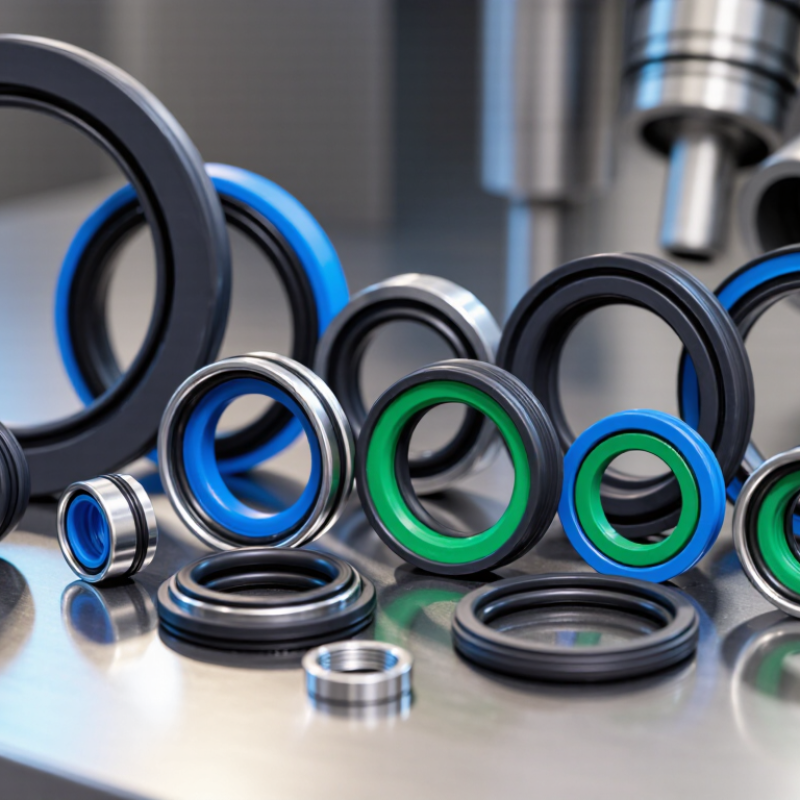
Dynamic seals prevent fluid or gas from escaping where two surfaces move against each other. They are common in hydraulic cylinders, pumps, gearboxes, and rotating shafts. Unlike static seals, they must handle friction, pressure, speed, and repeated movement. A sealing lip may look simple, but its performance depends on surface finish, lubrication, temperature, and chemical contact. Small details matter.

In hydraulic equipment, dynamic seals keep oil inside while a piston travels through the cylinder. In pumps and motors, rotary seals protect bearings and limit leakage around spinning shafts. Industrial robots, construction machinery, medical equipment, and food-processing systems also use them.

Each application needs a suitable elastomer, plastic, or composite material. Food and medical equipment may require documented material compliance and controlled production.

Global buyers should provide operating data before choosing a seal. Include pressure, shaft speed, temperature, fluid type, dimensions, and expected service life. A reliable manufacturer should offer drawings, material information, inspection records, and practical installation guidance.

Field experience shows that many failures begin with poor alignment or damaged sealing surfaces, not defective materials. There is no universal seal. Even a technically correct design can fail under unexpected vibration or contamination. Prototype testing remains valuable, although it can feel slower and more expensive. Surface measurements and real operating trials often reveal problems that a catalog cannot.

Key Criteria for Evaluating Global Dynamic Seal Manufacturers

7 Best Dynamic Seal Manufacturers for Global Buyers?

Choosing the right dynamic seal manufacturer requires more than comparing prices. Review material expertise, machining accuracy, and proven performance in real operating conditions. A reliable supplier should explain how its seals handle pressure, temperature, speed, and chemical exposure. Ask for test data, dimensional tolerances, and batch traceability before approving samples. Small details matter.

Tips: Send complete working conditions, not only a product drawing. Request samples from the same production process used for larger orders. Check lead times, inspection methods, packaging, and technical support across different time zones. A polished catalog is not enough. I have seen specifications appear convincing while practical installation guidance remained unclear.

Global buyers should also evaluate quality systems, communication discipline, and engineering responsiveness. Look for documented procedures, controlled raw materials, and inspection records that can be reviewed independently. Confirm whether the manufacturer can adjust seal geometry without weakening consistency. Regional inventory may reduce downtime, but local availability does not always prove technical reliability. Compare failure analysis methods, warranty terms, and replacement procedures carefully. A short video call with an engineer can reveal more than several sales emails. Even experienced buyers may overvalue low unit prices. That mistake can become expensive when leakage causes maintenance delays, contamination, or premature shaft wear.

Seven Leading Dynamic Seal Manufacturers for International Buyers

Seven Leading Dynamic Seal Manufacturers for International Buyers

International buyers need more than a polished catalog when selecting dynamic seal manufacturers. The strongest suppliers usually show practical experience with hydraulic cylinders, pumps, rotating shafts, and high-pressure equipment. Their product ranges may include rotary seals, rod seals, piston seals, wipers, and custom molded parts.

The seven leading manufacturers are often distinguished by engineering depth rather than advertising. One may specialize in extreme temperatures. Another may focus on food-processing applications. Others provide advanced polyurethane compounds, low-friction designs, or rapid custom tooling. Reliable manufacturers explain pressure limits, shaft speeds, temperature ranges, and chemical resistance clearly. They also provide material data, dimensional drawings, inspection records, and traceable batch information. These details help buyers compare products across different markets.

I have learned that samples reveal more than promises. Ask each supplier for test conditions that match real equipment, including pressure cycles and fluid exposure. Factory audits can confirm molding control, measurement systems, and packaging practices. Certifications support credibility, but they do not replace technical evidence. No manufacturer is perfect. Some excellent suppliers communicate slowly, while some polished suppliers lack meaningful testing. That difference deserves attention. Buyers should also review minimum order quantities, replacement support, export documentation, and response times before approving a long-term source. A small pilot order may expose fit problems early. Temperature matters more than many buyers expect. Seal failure can begin with swelling, abrasion, or an overlooked installation detail.

This chart presents typical continuous operating-temperature ranges for seven material families commonly used in dynamic seals. Actual performance depends on pressure, speed, media compatibility, surface finish, and compound formulation, so buyers should confirm the supplier’s technical data before selection.

How to Compare Product Quality, Customization, and Global Support

When comparing dynamic seal manufacturers, start with evidence, not polished brochures. The 2024 MarketsandMarkets outlook estimates the mechanical seals market will grow steadily through 2028, driven by pumps, chemical processing, and energy equipment. That growth increases supplier choices, but not necessarily product consistency.

Ask for batch inspection records, material certificates, pressure-test results, and documented leakage limits. ISO 2859-1 sampling plans can make acceptance checks more consistent across factories.

Product quality appears in small details. Check shaft runout tolerance, surface finish, spring design, and elastomer compatibility. A seal that survives water may fail quickly in abrasive slurry or high-temperature oil.

The U.S. Department of Energy reports that pumping systems can represent about 27% of industrial electricity use in the United States. Poor sealing can add friction, leakage, downtime, and avoidable maintenance.

Request test data under conditions close to your actual equipment.

Customization deserves equal attention. Reliable manufacturers should convert drawings into controlled specifications, not simply copy dimensions.

Review prototype timing, tooling ownership, minimum order quantities, and change-control procedures. Global support also needs proof. Look for multilingual technical teams, regional spare-part plans, failure-analysis reports, and clear warranty terms.

Response time matters. A 2023 industrial maintenance survey by Plant Engineering found that unplanned downtime remains a major operational concern for manufacturers, although reported costs vary widely by sector.

Some supplier claims still feel too perfect. Buyers should challenge them with sample audits, reference checks, and one controlled pilot order.

A Step-by-Step Guide to Choosing the Right Dynamic Seal Supplier

7 Best Dynamic Seal Manufacturers for Global Buyers?

Choosing a dynamic seal supplier starts with your operating conditions, not a catalog. Record shaft speed, pressure, temperature, fluid chemistry, and movement type. A seal for a dusty conveyor needs different materials than one used in a high-speed pump. In my sourcing work, overlooked temperature cycling often caused early leakage. That mistake is expensive.

Market evidence supports careful qualification. The MarketsandMarkets Mechanical Seals Market report projects annual growth of about 4% through 2029, reflecting stronger demand for reliable rotating equipment. Grand View Research also reports steady growth in industrial seals, driven by manufacturing, energy, and transportation. These figures do not prove supplier quality. They show why capacity, testing, and technical support deserve equal attention.

Ask each of the seven manufacturers for material certificates, dimensional drawings, batch traceability, and test data. Check whether their designs align with relevant standards, such as ISO 3601 for O-ring dimensions or API 682 for certain pump sealing systems. Request a sample under your real pressure and speed conditions.

Compare leakage, wear, installation time, and emergency response. A low unit price can hide poor surface finish or inconsistent elastomer batches. Supplier audits should examine calibration records and corrective-action history. Certification alone is not enough.

A perfect scorecard is unrealistic.

Local service may matter more than a small price difference. Recheck assumptions after field trials.

FAQS

What types of dynamic seals should international buyers compare?

Compare rotary seals, rod seals, piston seals, wipers, and custom molded parts. Match each type with pressure, speed, temperature, and fluid conditions.

What evidence shows that a seal manufacturer has real engineering experience?

Request material data, dimensional drawings, pressure-test results, inspection records, and traceable batch information. A polished catalog is not enough.

How can buyers evaluate seal quality before placing a large order?

Order samples and test them under realistic pressure cycles. Include actual fluids, shaft speeds, temperatures, and installation conditions. Small tests reveal problems.

Which material and operating details matter most?

Check elastomer compatibility, abrasion resistance, temperature limits, surface finish, and shaft runout. Water exposure alone proves little. Oil or slurry may behave differently.

How should buyers assess customization services?

Review drawing control, prototype timing, tooling ownership, minimum order quantities, and change procedures. Confirm every dimension before production. Small details matter.

What should a factory audit examine?

Inspect molding control, measurement systems, storage areas, packaging, and batch identification. Ask how defects are recorded and corrected. Records can be incomplete.

How can buyers compare international support?

Check response times, technical communication, spare-part planning, export documents, warranty terms, and failure-analysis support. Fast replies help during equipment downtime.

Why is a pilot order useful?

A controlled pilot order can reveal poor fit, swelling, abrasion, leakage, or installation problems. It limits early risk, though it cannot predict everything.

Are certifications enough to approve a supplier?

No. Certifications support credibility, but technical evidence matters more. Compare test conditions, inspection results, and reference feedback before making a long-term decision.

What warning signs should buyers question?

Be careful with perfect claims, vague test conditions, slow technical answers, and missing batch records. Some excellent suppliers communicate slowly. That still deserves review.

Conclusion

This guide explains what a Dynamic Seal is and how it supports reliable motion control in equipment such as hydraulic systems, industrial machinery, automotive components, pumps, and rotating applications. It outlines the main factors global buyers should consider when evaluating manufacturers, including material performance, dimensional accuracy, resistance to pressure and temperature, product consistency, testing procedures, production capacity, and quality management. The article also presents seven leading types of dynamic seal manufacturers that serve international markets, without focusing on specific brand names.

Readers will learn how to compare suppliers based on product quality, customization capabilities, engineering support, delivery reliability, communication, documentation, and after-sales service. A practical step-by-step selection process is included to help buyers define operating conditions, confirm technical requirements, review supplier qualifications, request samples, assess total costs, and verify long-term support. By following these guidelines, international purchasers can choose a dependable supplier that delivers suitable sealing solutions for their equipment and application needs.


Ethan

Ethan

Ethan is a seasoned marketing professional with a deep expertise in our company's innovative product line. With a passion for sharing knowledge and insights, he takes the lead in regularly updating our corporate blog, where he explores industry trends, product features, and effective marketing......