Top High Pressure Piston Seals for Global Buyers Guide?

Time:2026-05-28 Author:Mason
0%

In the intricate world of machinery, High Pressure Piston Seals serve a vital role. According to Sarah Thompson, a leading expert in sealing technologies, “The quality of a seal can make or break a hydraulic system.” This statement underscores the importance of selecting the right seals in any application requiring high pressure.

High Pressure Piston Seals are critical components designed to withstand extreme conditions. They ensure operational efficiency and prevent leaks. However, selecting the optimal seal can be challenging. Different materials, designs, and sizes complicate the decision-making process. Many end-users may overlook details that could lead to performance issues.

Despite advancements in sealing technology, not all seals are created equal. Buyers must navigate choices from various manufacturers and identify the best fit for their needs. This guide aims to illuminate the key factors in choosing High Pressure Piston Seals that meet industry standards and enhance reliability. Remember, a knowledgeable choice today can lead to smoother operations in the long run.
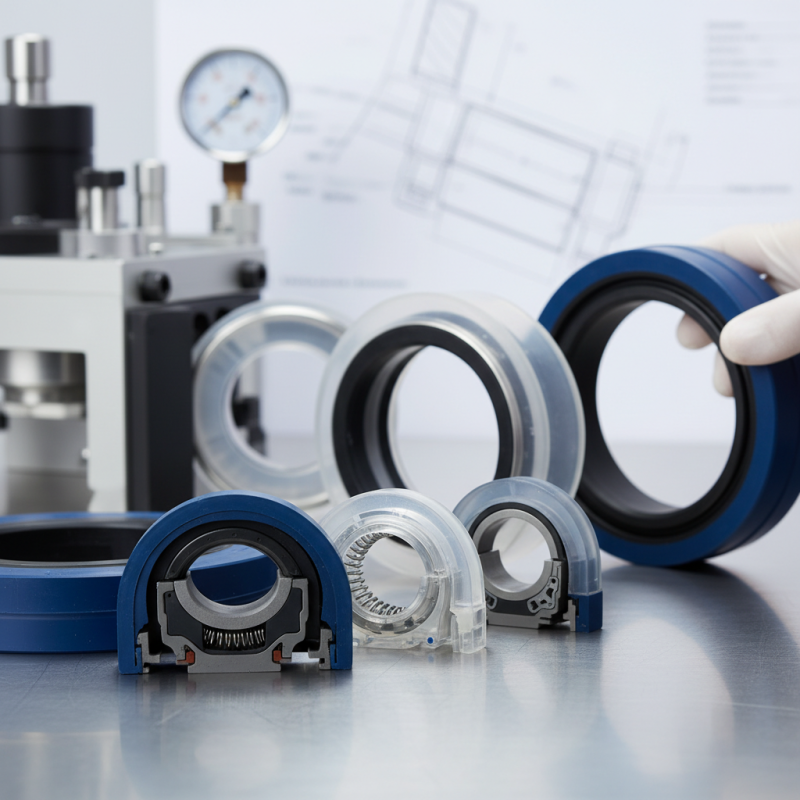
Top High Pressure Piston Seals for Global Buyers Guide?

Overview of High Pressure Piston Seals and Their Applications

High pressure piston seals play a crucial role in various industrial applications. These seals prevent fluid leakage, ensuring efficiency and safety. Available in different materials, they are designed to withstand extreme conditions.

In hydraulic systems, these seals are indispensable. They provide a tight fit between the piston and cylinder, enabling machinery to operate smoothly. For instance, in construction equipment, reliable seals can significantly impact performance. However, improper installation can lead to seal failure, which requires careful attention to detail.

Challenges often arise when selecting the right seal type. Factors like temperature, pressure, and fluid compatibility need consideration. Achieving the perfect balance can be difficult. It's essential to consult with experienced professionals to avoid costly mistakes.

Top High Pressure Piston Seals Global Buyers Guide

Key Characteristics of High Pressure Piston Seals in Various Industries

High-pressure piston seals are critical components across many industries, including automotive, aerospace, and manufacturing. These seals are designed to withstand intense pressure, often exceeding 5000 psi. Their primary function is to prevent fluid leakage, ensuring operational efficiency and safety.

Key characteristics of high-pressure piston seals include excellent resistance to wear and temperature fluctuations. According to industry reports, materials such as polyurethane and PTFE are commonly used due to their durability and performance. These materials can operate effectively in extreme conditions, contributing to reduced maintenance costs.

Tip: When selecting a seal, consider the operational environment and the type of fluids involved. Compatibility is crucial to optimize performance and lifespan.

Another important aspect is the seal's hardness. A good balance between rigidity and elasticity is needed. If the seal is too hard, it may become brittle over time. Conversely, too much flexibility can lead to premature failure.

Tip: Regularly inspect seals for signs of wear or degradation. Early detection can prevent major failures and costly repairs.

Attention to detail in design and material choice is essential. High-quality seals can improve efficiency and reduce downtime. However, even the best seals may not last forever. Always remain vigilant about maintenance practices to ensure reliable operation.

Types of High Pressure Piston Seals: Materials and Design Variants

High-pressure piston seals are essential components in various industries, ensuring efficient operation in systems that require high durability and reliability. These seals come in several material types and design variants, each tailored for specific applications. Common materials include polyurethane, nitrile rubber, and PTFE. Reports indicate that polyurethane seals are widely used due to their excellent wear resistance and ability to withstand high pressures, often surpassing 3000 PSI.

Design variations also play a crucial role in seal performance. For instance, lip seals and U-cup designs enhance sealing effectiveness while minimizing friction. The choice of design impacts the overall efficiency and longevity of the sealing system. Industry studies show that improper seal selection can lead to increased maintenance costs and system failures. Buyers must carefully consider both material properties and design features to ensure optimal performance in their specific applications.

Not all seals are equally effective in every scenario. Environmental factors, like temperature and exposure to chemicals, can greatly influence seal selection. Established research highlights that failures often occur due to misconceptions about operational limits. Adapting seals to fit unique operational challenges is critical. Understanding these nuances can significantly minimize issues related to seal performance, thus improving overall system reliability.

Factors to Consider When Choosing High Pressure Piston Seals

When selecting high-pressure piston seals, several critical factors come into play. The material composition is vital. Common materials include nitrile, polyurethane, and fluorocarbon. Each offers different levels of resistance to pressure, temperature, and chemical exposure. Reports indicate that seals made from polyurethane can handle pressures up to 6,000 psi in certain applications. Understanding these attributes can significantly enhance durability and performance.

Another aspect to evaluate is the seal's design. Depending on the operation type—dynamic or static—the design will influence its lifespan and efficiency. According to industry studies, improperly matched designs can lead to premature failures. On average, high-quality piston seals might last anywhere between three to five years under optimal conditions. However, environmental factors can reduce that lifespan drastically.

Furthermore, think about the operational environment. Factors like temperature extremes and potential chemical exposure should guide your choices. In fact, seals used in harsh conditions have different specifications and need more rigorous testing. In a competitive market, overlooking these specifics may lead to costly downtime. Selecting the right piston seal requires a thoughtful approach backed by expert knowledge to achieve optimal results.

Global Suppliers and Manufacturers of High Pressure Piston Seals

High pressure piston seals play a vital role in various industries, ensuring equipment operates efficiently. Global manufacturers offer a variety of options suitable for different applications. These seals help prevent leaks and maintain pressure in hydraulic and pneumatic systems.

When exploring suppliers, it's important to consider their expertise and reputation. Look for companies with a proven history in producing reliable sealing solutions. Some manufacturers specialize in certain materials, such as elastomers or metal, which impacts performance. A well-rounded supplier typically provides documentation and support for their products.

Choosing the right seal requires careful consideration of industry standards and specific operating conditions. Factors like temperature, pressure, and chemical exposure significantly affect seal performance. While many suppliers provide extensive catalogs, not all options will suit every application. Engaging with knowledgeable professionals can help clarify which seals align with your needs and expectations.

Top High Pressure Piston Seals for Global Buyers Guide

Material Operating Pressure (MPa) Temperature Range (°C) Seal Type Applications
Nitrile Rubber (NBR) 30 -30 to +100 U-Cup Hydraulics, Pneumatics
Polyurethane (PU) 40 -40 to +80 O-Ring Industrial Equipment
Fluoroelastomer (FKM) 50 -20 to +200 V-Ring Chemical Processing
PTFE 80 -200 to +260 Flat Seal Food Processing
Silicone 20 -60 to +200 Lip Seal Medical Equipment

FAQS

: What are high pressure piston seals used for?

: They prevent fluid leakage in various industrial applications, ensuring efficiency and safety.

Why is proper installation of seals important?

Improper installation can lead to seal failure, affecting equipment performance and leading to costly repairs.

What factors should be considered when selecting a seal?

Consider temperature, pressure, and fluid compatibility for optimal performance and longevity.

What materials are commonly used for high pressure piston seals?

Polyurethane and PTFE are popular due to their durability and ability to withstand extreme conditions.

How can I maintain high pressure piston seals?

Regular inspections for wear or degradation are vital to prevent major failures and unexpected downtime.

What balance is necessary for seal hardness?

There should be a good mix of rigidity and elasticity to avoid brittleness or excessive flexibility.

How do I select the right supplier for piston seals?

Look for expertise, reputation, and a proven history in producing reliable sealing solutions.

Can high pressure piston seals last indefinitely?

Even high-quality seals have a limited lifespan and need regular monitoring for effective operation.

Why is it essential to consult professionals when choosing seals?

Experienced professionals can help avoid costly mistakes and ensure the selected seals fit your operational needs.

What impact do environmental factors have on seal performance?

Factors like temperature and chemical exposure can significantly affect the seals, influencing operational efficiency.

Conclusion

High Pressure Piston Seals are essential components utilized in various industrial applications, ensuring effective sealing in high-stress environments. These seals provide critical functionality in hydraulic and pneumatic systems by preventing fluid leakage and maintaining optimal pressure levels. Their characteristics, such as durability, resistance to wear, and compatibility with different fluids, make them vital across multiple industries, including automotive, aerospace, and manufacturing.

When choosing High Pressure Piston Seals, several factors should be considered, including the type of materials used, design variants, and compatibility with specific applications. A thorough understanding of the different types of seals available and their respective attributes is crucial for global buyers seeking optimal performance. Additionally, identifying reliable suppliers and manufacturers is essential for ensuring the procurement of high-quality seals that meet industry standards.


Mason

Mason

Mason is a seasoned marketing professional with a deep expertise in the company's offerings and a passion for driving brand awareness. With a strong background in digital marketing strategies, he has an innate ability to connect with diverse audiences and effectively communicate product benefits.......