The world of Hose Fitting is vast and diverse. Selecting the right type can greatly impact your project. Understanding different hose fitting types is crucial for global buyers.
Many factors influence the choice of hose fittings. Material, size, and compatibility with hoses all play a role. Each fitting type serves unique purposes. Some are designed for high-pressure systems. Others cater to lower pressure needs. Familiarity with these options can lead to improved efficiency.
Mistakes in choosing hose fittings can result in leaks and system failures. Thus, it is vital to consider your specific requirements. Buyers should research and consult experts for guidance. Embracing knowledge about hose fittings ensures better decision-making. It's a valuable investment in both time and resources.
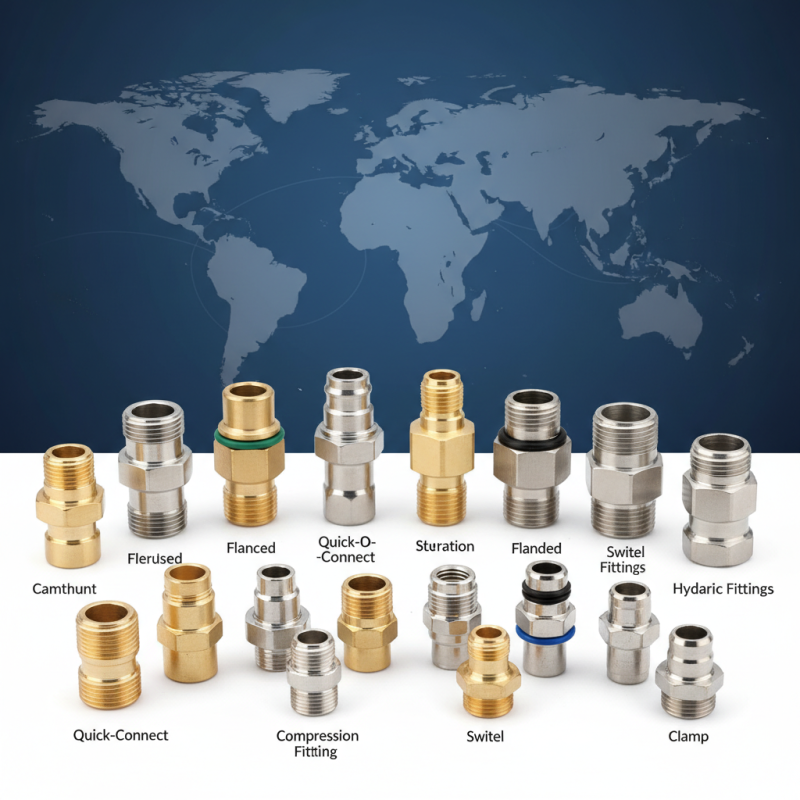
Hose fittings play a crucial role in various industries, including manufacturing, agriculture, and construction. These components ensure the safe and efficient transfer of fluids and gases. Recent industry reports indicate that the global hose fittings market is projected to reach $9 billion by 2025, reflecting an annual growth rate of about 5.5%. Understanding different types of hose fittings is vital for effective fluid management and operational efficiency.
In agriculture, for example, hose fittings facilitate irrigation systems. A reliable connection helps maintain consistent water flow to crops, ensuring optimal growth. The use of high-quality hose fittings can reduce leaks by up to 30%, according to a study published by the Agricultural Engineering Society. In the manufacturing sector, hose fittings must withstand high pressure and corrosion. Selecting the right fitting can prevent costly downtimes and hazardous leaks.
Nevertheless, industry standards can vary significantly across regions. Buyers must consider local regulations when selecting hose fittings. Misalignment in expectations can lead to performance issues. This highlights a persistent challenge in the market: the need for a comprehensive understanding of product specifications and quality standards. Ensuring compatibility and reliability can make a substantial difference in project outcomes.
When considering hose fittings, it’s essential to understand the many types available. Different applications demand specific fittings that can handle varying pressures and chemical compatibilities. According to a 2022 industry report, over 35% of hose failures are due to incorrect fittings. This highlights the importance of selecting the right type for your needs.
Common types of hose fittings include barbed, threaded, and quick disconnect. Barbed fittings work well with flexible hoses and are often used in low-pressure applications. Threaded fittings, however, are built for high-pressure scenarios. They provide a secure connection but require careful torque specifications to prevent striping. Quick disconnect fittings allow for easy assembly and disassembly, making them ideal for applications requiring frequent changes.
While opting for a fitting, consider factors like material compatibility and environmental conditions. For instance, using brass fittings in corrosive environments can lead to premature failure. An estimated 20% of buyers encounter issues related to material mismatch. This underlines the crucial need for research and validation of fitting selections before finalizing purchases. Recognizing the limitations and characteristics of each fitting type can significantly influence the performance and longevity of hose systems.
| Hose Fitting Type | Material | Applications | Connection Type |
|---|---|---|---|
| Barbed Fittings | Plastic, Metal | Fluid Transfer, Water Hoses | Push-On |
| Compression Fittings | Brass, Stainless Steel | Gas, Oil, Water Lines | Screw-On |
| Camlock Fittings | Aluminum, Plastic | Chemicals, Water Transfer | Quick-Disconnect |
| Threaded Fittings | Brass, Steel | Hydraulic Systems | Screw-On |
| Push-Fit Fittings | Plastic, Copper | Plumbing, HVAC | Push-On |
| Sae Flare Fittings | Brass, Stainless Steel | Hydraulic Equipment | Flare Connection |
| Pipe Fittings | PVC, Metal | Irrigation, Water Supply | Socket-Weld |
| Strainer Fittings | Stainless Steel | Fluid Filtration | Screw-On |
| Union Fittings | Brass, Plastic | Removable Connections | Screw-On |
| Hydraulic Quick Couplers | Steel, Aluminum | Heavy Machinery | Quick-Disconnect |
When selecting hose fittings, understanding key specifications is crucial. One important aspect is the material. Fittings can be made from brass, stainless steel, or plastic. Each material offers unique benefits. Brass is often more durable, while plastic can be lighter and resistant to corrosion.
Another significant feature is the fitting's connection type. Common types include threaded, barbed, and quick-connect fittings. The choice depends on the application and pressure requirements. A study by the Fluid Power Society indicates that improper fittings can lead to leaks or bursts, affecting system efficiency.
**Tips:** Always verify compatibility with your hoses. Measuring dimensions before purchasing is essential. Informed choices prevent costly replacements later.
Consider pressure ratings as well. Fittings should exceed the maximum operating pressure of the hose. A 2021 report by the Hose Association International highlighted that approximately 20% of failures result from using underspecified fittings. Always prioritize high standards in selection and installation.
When selecting hose fittings, material choice plays a crucial role. Common materials include brass, stainless steel, and plastic. Each has its own set of advantages and disadvantages that can impact performance. For instance, stainless steel offers excellent corrosion resistance, making it suitable for harsh environments. However, it can be more expensive than other options. According to a report by the Fluid Power Society, stainless steel fittings can last 30% longer than plastic alternatives in similar conditions.
On the other hand, brass fittings are known for their durability and ease of installation. The downside is that they may corrode in aggressive chemical applications. A 2022 industry study found that nearly 25% of hose fitting failures are due to inappropriate material selection. Plastic fittings, while lightweight and cost-effective, often lack the strength needed for high-pressure applications. Failure in such cases may lead to leaks or even dangerous bursts.
Choosing the right material requires careful consideration. Assess the environment where the fittings will be used. Understand the fluid being transported and its properties. Misjudging these factors can result in costly repairs and operational downtime. Engaging with industry experts helps navigate these complex decisions.
The global market for hose fittings is evolving rapidly. Innovations in material science and manufacturing techniques are shaping the industry. According to a recent report by MarketsandMarkets, the hose fittings market is projected to grow from USD 5.84 billion in 2020 to USD 9.34 billion by 2025. This opens opportunities for buyers worldwide.
Currently, manufacturers are focusing on creating lightweight and durable materials. For instance, plastic and composite hose fittings are becoming popular due to their corrosion resistance. However, the challenge remains in balancing performance with cost. Some buyers may overlook the importance of certifications and quality standards, leading to potential safety issues.
Moreover, smart technology integration in hose fittings is an emerging trend. Sensors that monitor pressure and flow can enhance operational efficiency. However, adoption is slow as many companies are hesitant to invest in new technologies. This reluctance may stem from a fear of failure or insufficient understanding of the long-term benefits. As buyers navigate these trends, consideration of reliability and market demands remains crucial for successful investments.
: Common materials include brass, stainless steel, and plastic. Each material has its pros and cons.
The right material affects performance and durability. Misjudgment might lead to leaks or other failures.
Consider the connection type needed. Options include threaded, barbed, and quick-connect fittings. Each fits different applications.
Always check compatibility with your hoses. Measure dimensions to avoid costly mistakes.
Fittings should exceed the maximum pressure of the hose. This prevents failures and maintains system efficiency.
Approximately 20% of failures are due to using underspecified fittings. Always prioritize high standards.
Assess where fittings will be used. Environment matters for durability and performance, impacting operational cost.
Typically, no. Plastic fittings may lack necessary strength, leading to potential leaks or dangerous bursts.
Yes, industry experts can guide through decisions about materials and suitability for specific applications.
Not always. The cheapest option may lead to failures and higher long-term costs. Choose wisely.
Hose fittings play a crucial role in connecting hoses to various equipment, ensuring efficient fluid transfer across multiple industries such as agriculture, construction, and manufacturing. Understanding the different types of hose fittings and their respective applications is essential for global buyers. The article provides a comprehensive breakdown of various hose fitting types, highlighting their importance and the key features to consider when selecting the right fittings for specific needs.
Material considerations are also discussed, outlining the pros and cons of different materials used in hose fittings, which can significantly impact performance and longevity. Additionally, the article explores current global market trends and innovations in hose fitting technology, guiding buyers in making informed decisions that meet evolving industry demands. Overall, a thorough understanding of hose fittings can enhance operational efficiency and safety in industrial applications.

Kelong New Materials