Top 10 Hydraulic Seal Types You Need for Your Projects?

Time:2026-05-03 Author:Amelia
0%

Hydraulic seals play a crucial role in various industries, ensuring the effective operation of hydraulic systems. According to Richard Thompson, a renowned expert in sealing technology, "Understanding hydraulic seals is vital for the longevity of your equipment." His insight underscores the importance of choosing the right seal type for your specific project needs.

Hydraulic seals come in different types, each designed for unique applications. From rod seals to piston seals, these components prevent fluid leaks and maintain pressure. The correct selection can improve efficiency and reduce maintenance costs. However, many users often underestimate their significance. This oversight can lead to mechanical failures and costly downtimes.

Navigating the world of hydraulic seals can be challenging. Despite technological advancements, there is still a lack of clarity on which seal meets different project requirements. Users often find themselves overwhelmed by choices. It's essential to recognize that not all seals are created equal. Understanding their differences can make a substantial difference in performance and reliability.
Top 10 Hydraulic Seal Types You Need for Your Projects?

Types of Hydraulic Seals: An Overview

Hydraulic seals play a vital role in various industries, ensuring efficiency and preventing fluid leakage. The market for hydraulic seals is projected to grow significantly, with a report by MarketsandMarkets estimating it will reach USD 4.41 billion by 2026. Understanding the types of hydraulic seals available is crucial for engineers and project managers.

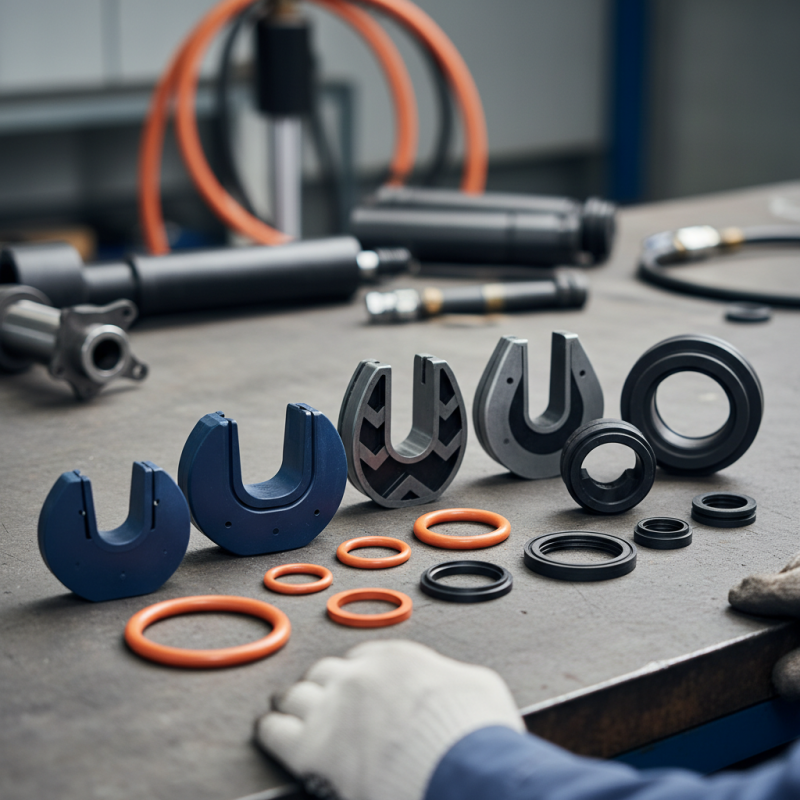
One common seal type is the O-ring, valued for its versatility and ease of installation. They can work effectively in dynamic applications. Another type is the piston seal, which is designed for high-pressure situations. It features a robust design that accommodates significant variations in pressure. U-cup seals are also noteworthy, as they provide low-friction solutions in linear movements.

Choosing the right seal involves considerations like material, temperature resistance, and pressure ratings. Reports indicate that improper seal selection can lead to performance degradation. This is a substantial concern, especially in systems requiring high reliability. In some cases, the wrong seal type can cause failures, leading to costly downtime. Therefore, precision and expertise in selection are imperative.

Top 10 Hydraulic Seal Types You Need for Your Projects

Key Characteristics of Hydraulic Seals for Various Applications

Hydraulic seals are crucial components in various machinery, especially in hydraulic systems. These seals play a vital role in preventing fluid leaks and ensuring efficient operation. Their designs and materials can vary significantly, tailored for different applications. For instance, seals made from elastomers like NBR (nitrile) are commonly used for oil-resistant applications due to their excellent sealing properties. According to recent industry reports, nearly 70% of hydraulic failures arise from seal degradation. Therefore, choosing the right seal type is essential for project success.

Key characteristics of hydraulic seals include resistance to pressure, temperature, and fluid compatibility. A well-designed seal maintains integrity under high pressures, often exceeding 5,000 PSI in industrial systems. Seals must also endure extreme temperatures, ranging from -40°F to 250°F, depending on the application. In some scenarios, the choice of material can significantly affect performance. For example, while PTFE seals may work in chemical processes, their wear resistance could be inferior in abrasive environments. This contrast highlights the need for careful selection of seal types based on project demands.

Despite advancements, challenges remain. Many engineers overlook the importance of installation, which can greatly affect seal function. Misalignment or improper fitting often leads to premature wear or failure. Studies indicate that up to 30% of seal issues stem from these avoidable errors. As projects become more complex, ongoing education about hydraulic seals is vital for optimal performance and longevity.

Common Materials Used in Hydraulic Seals

Hydraulic seals play a crucial role in various applications. The choice of material significantly impacts their performance. Common materials used in hydraulic seals include nitrile rubber, polyurethane, and silicone. Nitrile rubber is widely preferred for its excellent resistance to oil and fuel. It performs well in moderate temperatures, making it a solid option for many projects.

Polyurethane offers enhanced durability. This material can withstand higher pressures and abrasive environments. It's notable for its resilience against wear and aging. However, polyurethane may not perform well in extreme temperatures. Silicone seals, on the other hand, excel in temperature extremes. They resist oxidation and have a longer service life. Yet, they might lack compatibility with certain fluids.

Selecting the right material is key. It often requires balancing characteristics such as temperature range and chemical resistance. Many engineers find it challenging to predict seal durability under various conditions. Testing and real-world applications can sometimes yield unexpected results. Understanding the limitations of each material can guide better choices. The right seal can enhance project efficiency significantly.

Factors to Consider When Selecting Hydraulic Seals

When choosing hydraulic seals, several factors significantly impact performance and longevity. Material selection is crucial. For example, nitrile rubber works well in moderate temperatures and pressures, while polyurethane offers superior wear resistance. According to a report by the Hydraulic Seals Association, the right material can increase seal life by up to 50%.

Another essential factor is the seal type. Dynamic seals are necessary for moving parts, while static seals function in stationary applications. The right type ensures optimal sealing under varying conditions. Industry studies show that improper seal selection can lead to a 20% increase in maintenance costs, highlighting the importance of thoughtful choices.

Pressure range and environment also play a vital role in seal selection. High-pressure applications may require specialized seals. Exposure to harsh chemicals necessitates seals made from resistant materials. Failing to consider these factors can lead to premature failure and costly downtime. Experts suggest a methodical approach to choosing hydraulic seals, emphasizing the need for a reliable supplier who can provide technical support.

Top 10 Hydraulic Seal Types You Need for Your Projects

Seal Type Material Operating Temperature (°C) Pressure Rating (MPa) Application Area
O-Ring Seals Nitrile, Viton -40 to 120 30 General Purpose
Flat Seals PTFE, Rubber -70 to 260 25 Hydraulic Cylinder
U-Cup Seals Polyurethane -35 to 100 40 Piston Seals
V-Seals Nitrile -20 to 80 20 Rotary Applications
Rod Seals Nitrile, Polyurethane -30 to 100 35 Hydraulic Rods
Backup Rings PTFE, Rubber -60 to 150 30 High Pressure Applications
Lip Seals Nitrile, Fluoroelastomer -40 to 150 25 Rotary Equipment
Cylindrical Seals Silicone, PTFE -60 to 200 50 Heavy Machinery
Square Seals Nitrile, EPDM -30 to 120 35 Hydraulic Pistons

Maintenance Tips for Hydraulic Seals to Ensure Longevity

Hydraulic seals play a critical role in machinery performance. Regular maintenance is key to their longevity. A report from the Fluid Power Journal highlights that over 30% of hydraulic system failures stem from seal degradation. This emphasizes the need for effective maintenance practices.


Inspect hydraulic seals frequently for any signs of wear or damage. Look for abrasions or tears that might compromise their function. Proper lubrication is essential, as it reduces friction and wear. A study by the International Fluid Power Society found that systems utilizing proper lubrication extend seal life by up to 50%. This statistic underlines the importance of maintaining a clean, well-lubricated environment.


Temperature control is another important factor. High temperatures accelerate seal wear, decreasing the effectiveness of hydraulic systems. Monitoring and managing ambient and fluid temperatures can prevent early failures. Regular fluid changes can also decrease contamination levels. This can help maintain the seals’ integrity and overall system efficiency.

FAQS

: What are hydraulic seals and why are they important?

: Hydraulic seals prevent fluid leakage and ensure efficiency in various industries.

What is a common type of hydraulic seal?

The O-ring is popular for its versatility and ease of installation.

What situations require a piston seal?

Piston seals are designed for high-pressure applications with significant pressure variations.

What should be considered when selecting a hydraulic seal?

Key factors include material, temperature resistance, and pressure ratings.

How does improper seal selection affect performance?

Choosing the wrong seal can lead to performance degradation and failures.

Why is material selection important for hydraulic seals?

The right material can enhance seal life; for example, nitrile rubber handles moderate conditions well.

What are dynamic and static seals?

Dynamic seals are for moving parts, while static seals work in stationary applications.

How do pressure range and environment impact seal choice?

High pressures and harsh chemicals require specialized seals to avoid premature failure.

Is expert input necessary for selecting hydraulic seals?

Yes, consulting experts helps ensure the right seal type for specific needs and conditions.

What might happen if one ignores seal selection guidelines?

Ignoring guidelines can lead to costly downtime and increased maintenance expenses.

Conclusion

Hydraulic seals are essential components in various hydraulic systems, serving to prevent leakage and ensure efficient operation. The article outlines different types of hydraulic seals, providing an overview of their specific applications and the key characteristics that make each type suitable for particular environments. Understanding the common materials used in hydraulic seals is crucial, as this impacts durability and performance under varying pressures and temperatures.

When selecting hydraulic seals, several factors must be considered, including compatibility with fluids and equipment conditions. To maximize the lifespan of hydraulic seals, regular maintenance tips are essential. Implementing these practices can significantly enhance the performance and longevity of hydraulic systems, making informed decisions about seal selection and upkeep vital for any project involving hydraulic applications.


Amelia

Amelia

Amelia is a seasoned marketing professional with a wealth of expertise in our company’s core offerings. With an unwavering passion for driving growth and innovation, she plays a pivotal role in shaping our marketing strategies and enhancing brand visibility. A key aspect of her responsibilities......