Engineered for High-Pressure Mining Environments & Transport Machinery Systems
The global mining sector is undergoing a rapid transition toward automation, electrification, and safety-focused operations. In deep underground mines and vast open-pit operations, the reliability of heavy material transport equipment determines a project's financial viability. Hydraulic mining transport trucks, specialized longwall chock carriers, and modern multi-utility frame vehicles act as the vascular system of these mines, shuttling raw minerals, heavy machinery parts, and massive roof supports in highly constrained spaces.
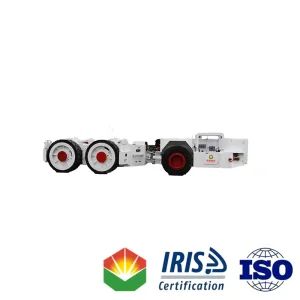
For operations using systems like the WC50Y Hydraulic Underground Longwall Chock Carrier, the demand for reliable hydraulics is paramount. These vehicles handle loads upward of 50 metric tons under extreme gradients, where fluid containment and system integrity are matters of operational safety. The intersection of modern tribology, advanced polyurethane formulation, and robotic steel machining has revolutionized how mining vehicles are designed, purchased, and maintained.
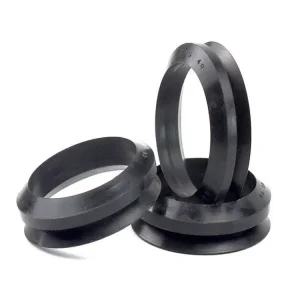
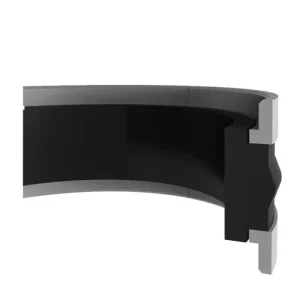
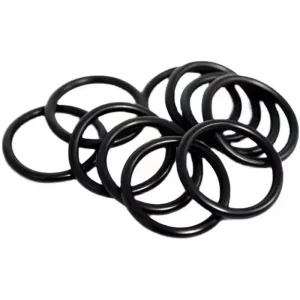
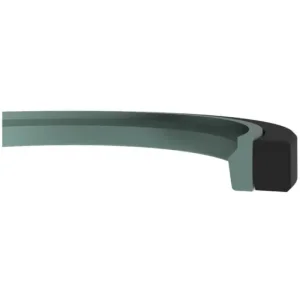
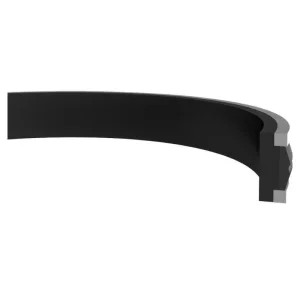
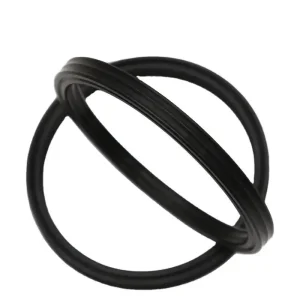
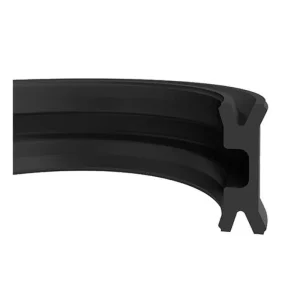
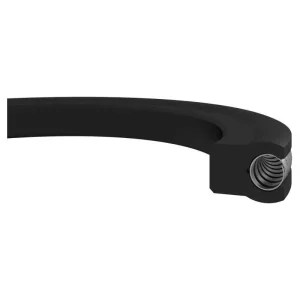
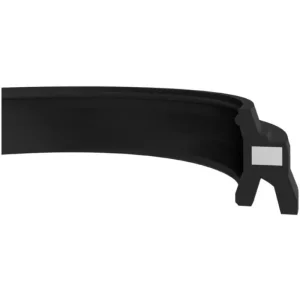
Modern transport vehicles rely heavily on sub-component resilience. A single hydraulic seal failure on a heavy-duty mining dump truck or chock carrier can lead to costly unscheduled maintenance stops. By focusing on material formulations like low-friction PTFE guide rings, high-pressure rubber V-shape rotary seals, and multi-piece compact piston configurations, modern mines can extend mean time between failures (MTBF) from weeks to years.
Procurement departments in major mining operations across Australia, Latin America, North America, and Sub-Saharan Africa are moving away from evaluating only upfront acquisition costs. Instead, they focus on Total Cost of Ownership (TCO). Procurement managers look for "cheap" pricing models that do not compromise operational reliability—a challenge that requires direct partnerships with manufacturers who control their entire supply chain, from basic rubber formulation to finalized system assembly.
Shaanxi Kelong New Materials Technology Co., Ltd. (formerly the Xianyang Kelong Rubber Products Institute, founded in 1996) represents China's manufacturing shift towards Factory 4.0. The company focuses on the R&D and production of hydraulic sealing kits, high-pressure hoses, and coal mine auxiliary transportation equipment.
By blending scientific research with heavy production lines, Shaanxi Kelong maintains a top-three position in the domestic coal machine sealing industry. Its high-pressure rubber hoses and frame-type handling vehicles are projected to enter the top three within two years, supported by an 8% domestic market share for its core product line.
A key driver of this performance is Kelong's manufacturing setup, which features imported precision machinery from European engineering centers. The company uses production technology from DMH Company in Austria for sealing systems and a full manufacturing line imported from Italy for high-pressure hydraulic hoses. This allows the factory to produce hoses and seals that meet international safety standards while maintaining competitive pricing.
Mining operations require localized equipment configurations. A seal kit or hydraulic hose that works well in a dry potash mine may fail quickly in an acidic, wet underground gold mine. Understanding these localized environments helps prevent early mechanical degradation.
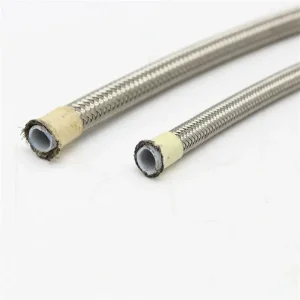
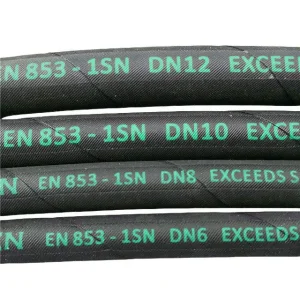
In longwall coal mining, hydraulic roof supports (chocks) are moved by specialized heavy-duty transport vehicles. These vehicles rely on multi-stage cylinders that operate under heavy structural loads. The hydraulic lines must handle static pressures up to 50 MPa. High-pressure hoses, reinforced with multi-plies of steel wire braids, are critical for maintaining system pressure. The seals must also resist extrusion and abrasive dust particles.
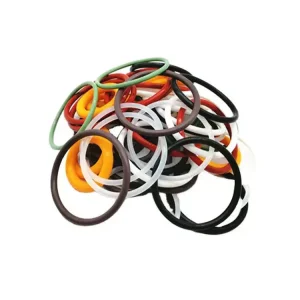
Open-pit transport trucks experience rapid thermal cycles when moving from cold surface temperatures down into warm mining pits. Sealing components made from standard elastomers can shrink and crack under these conditions. Shaanxi Kelong utilizes customized FKM and specialized EPDM blends to ensure these seals maintain their elasticity, preventing fluid leaks and pressure drops.
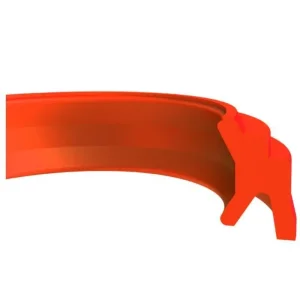
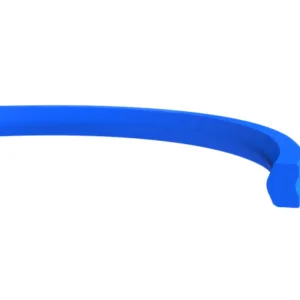
Using low-friction materials like PTFE guide rings and polyurethane (PU) lip seals helps lower dynamic friction, which reduces heat buildup. This simple change can double the service life of hydraulic cylinders on heavy transport equipment.
Shaanxi Kelong's engineering products are utilized across multiple industries, including mining, marine engineering, and renewable energy. Below are five key application cases that demonstrate the field performance of our components:
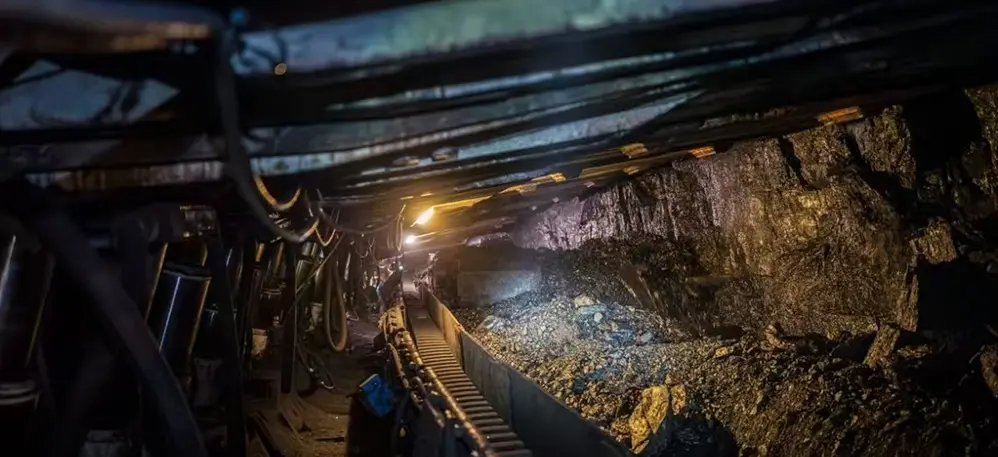
Ultra-tough, high-pressure hydraulic hoses designed to maintain flow rates and pressure stability under heavy structural loads in deep mining machinery.
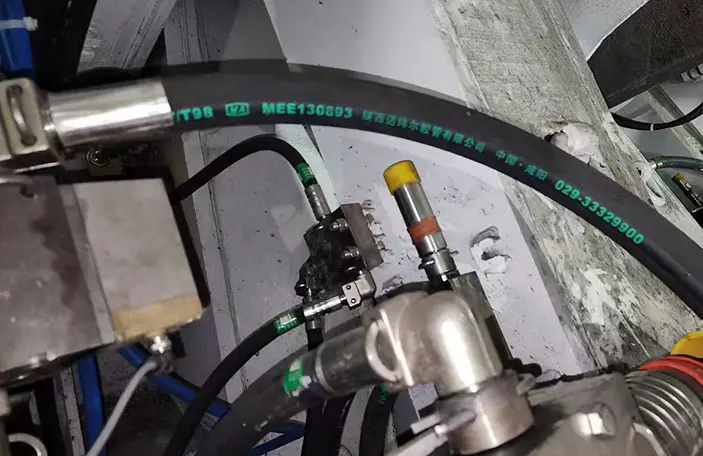
Tested high-pressure hoses engineered to withstand dynamic bending stresses and vibration in mobile crane outriggers and lifting cylinders.
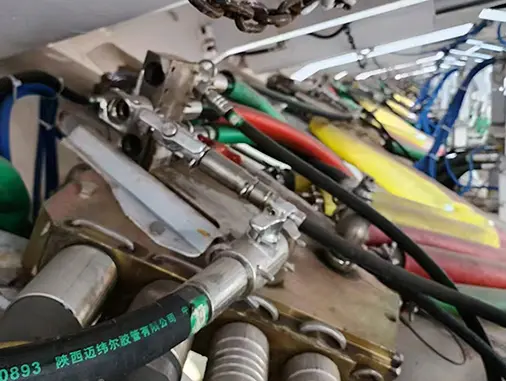
Corrosion-resistant marine-grade hoses designed to resist salt spray, high humidity, and abrasive sea water in offshore platforms.
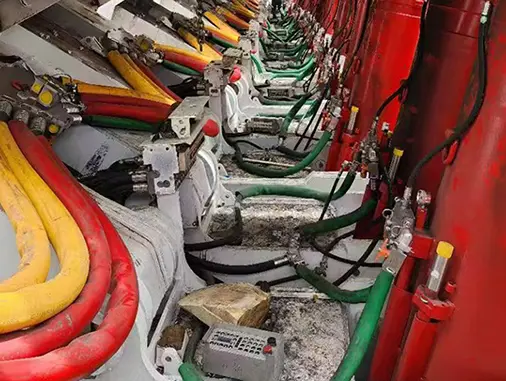
Specially designed flexible hoses that support long maintenance intervals for yaw control and hydraulic pitching systems in wind energy platforms.
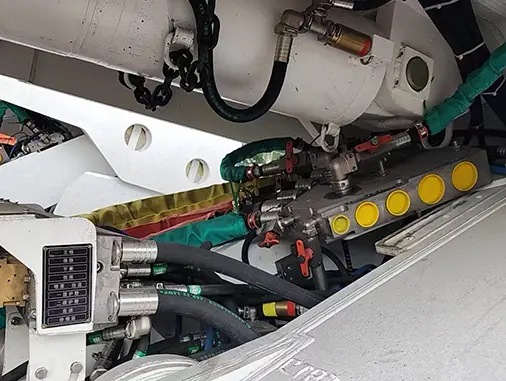
High-pressure, abrasion-resistant hydraulic hoses built to endure continuous vibration and variable pressure spikes in tunnel boring operations.
Advanced Sealing Systems & Modern Production Facilities
Insights on Installation, Selection, and Maintenance of Heavy Machinery Hydraulics
A longwall chock carrier is a heavy-duty transport vehicle designed to carry coal shield supports weighing up to 50 metric tons under low-clearance conditions. Key design considerations include multi-axle steering for maneuverability, high-pressure hydraulic hoist cylinders, and robust dynamic braking systems.
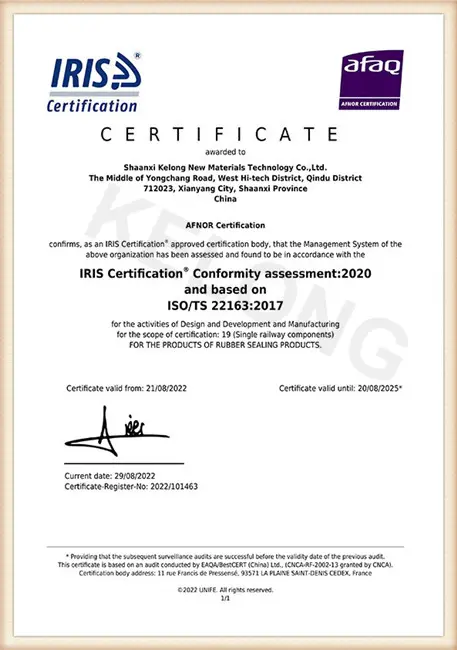
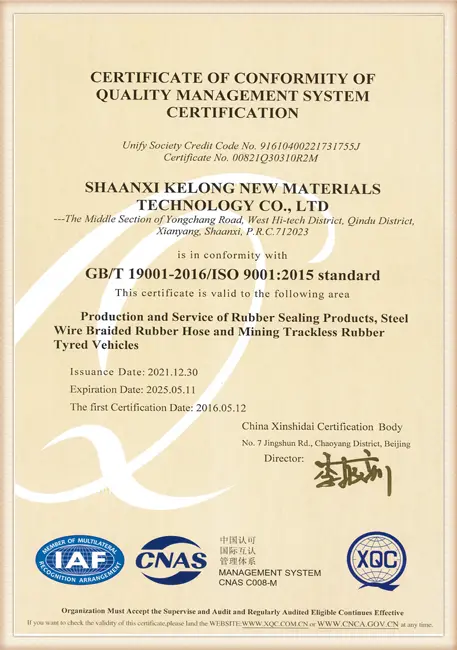
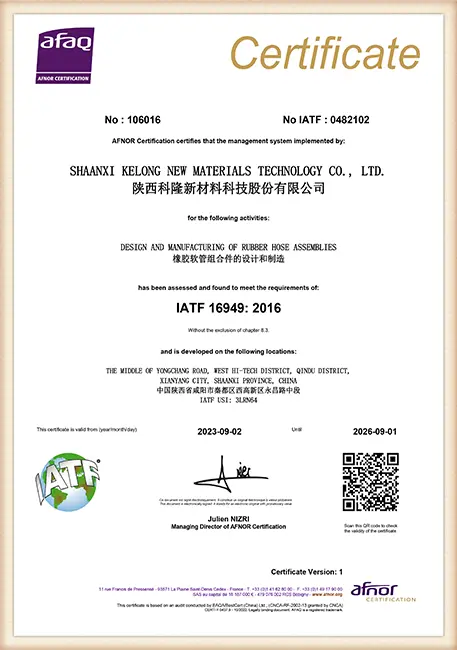
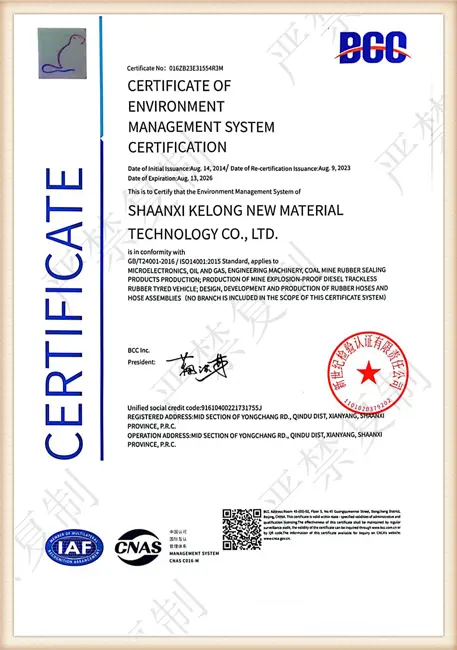
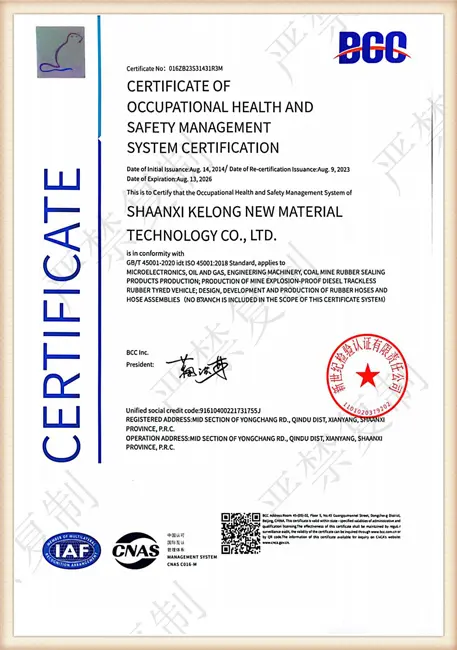
Our facility is ISO 9001 and IRIS certified. We use Austrian DMH CNC machining systems for seals and imported Italian extrusion setups for hoses to maintain quality. Raw materials undergo spectrophotometer tests, and finished components are batch-tested for tensile strength and burst pressure.
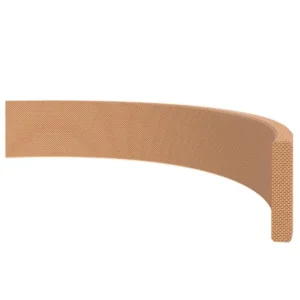
PTFE (polytetrafluoroethylene) has a low coefficient of friction. In components like the KL58 guide ring, it prevents metal-to-metal contact between the piston and cylinder wall, reducing physical wear and prolonging cylinder life in dusty underground environments.
Yes, our R&D center and engineering staff can reverse-engineer or design custom seals and hose assemblies based on physical samples or engineering drawings to fit legacy mining machinery.
Explore our full range of industrial hoses, specialty O-rings, and heavy transport systems
 Kelong New Materials