Engineered for high durability and performance under harsh mining and heavy machinery environments.
In modern underground mining operations, safety, mechanical integrity, and explosion containment are the three cornerstones of engineering excellence. Excavating and hauling precious resources in volatile environments laden with coal dust and methane require heavy reliance on specialized, highly engineered explosion-proof machinery. These systems must comply with stringently defined standards globally, such as Europe's ATEX Directive, the international IECEx system, and various regional coal mine safety certifications.
Achieving structural reliability under cyclic loading, high ambient humidity, corrosive water chemistry, and extreme system pressures is impossible without high-performance fluid power sealing technologies and ultra-tough hydraulic hose assemblies. Shaanxi Kelong New Materials Technology Co., Ltd. (originating from Xianyang Kelong Rubber Products Institute in 1996) stands at the forefront of this manufacturing ecosystem. As a leading technical innovator, the company bridges the gap between state-of-the-art polymer science and heavy-duty, explosion-proof mining transport systems.
This industry analysis highlights how engineering-level materials research—supported by equipment imported from Italy and precision CNC sealing technologies derived from DMH Austria—enhances underground machinery performance. These technologies prevent fugitive dust ignition, secure dynamic seals against pressures up to 80Mpa, and guarantee safe auxiliary heavy transport in mines globally.
The global mining machinery sector is shifting from traditional manual operations to automated, high-output longwall systems and specialized auxiliary transport configurations. The commercial demand for explosion-proof mining machinery is driven by two main factors: increasing regulatory oversight on mine worker safety and the technical challenge of exploiting deeper coal seams. Deep coal extraction (depths exceeding 800 meters) presents severe geological pressures, high ambient temperatures, and increased risk of methane gas accumulation.
Geographically, regions such as the Asia-Pacific (led by large-scale extraction sites in China, Australia, and India) dominate the mining machinery volume. Meanwhile, Western Europe and North America focus heavily on autonomous, low-emission, and electric-powered explosion-proof equipment. China's domestic mining machinery market relies heavily on a specialized ecosystem of seal and hose component manufacturers to maintain high operational efficiency. Shaanxi Kelong holds an 8% domestic market share in these key areas, ranking among the top three in the mining machine sealing industry. The industrial focus is shifting from simple mechanical components to integrated sub-systems capable of withstanding extreme mechanical abuse while eliminating ignition risks in explosive environments.
Underground mining operations are undergoing a significant transition from diesel-combustion drivetrains to zero-emission, battery-electric vehicles (BEVs) and automated auxiliary transport vehicles. This shift aims to reduce mine ventilation expenses and eliminate toxic exhaust emissions in underground mines. However, high-voltage battery enclosures, traction motors, and electro-hydraulic auxiliary drives in BEVs must meet strict explosion-proof requirements. This change places higher demands on sealing solutions. These components must offer long service lives, low friction coefficients, and excellent resistance to synthetic, water-based, and biodegradable hydraulic fluids.
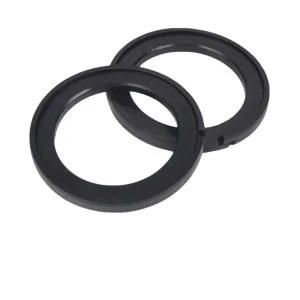
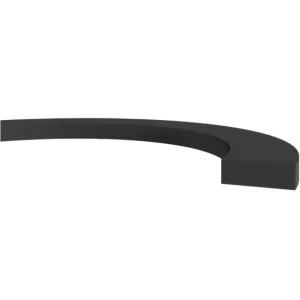
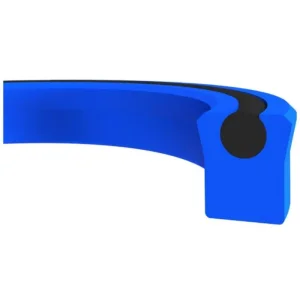
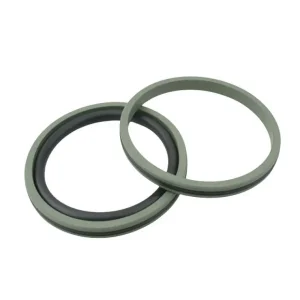
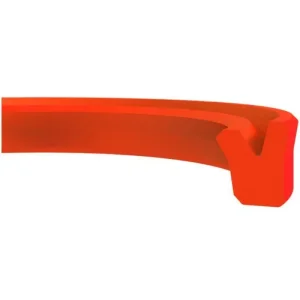
Additionally, predictive maintenance is replacing reactive repair models. Mining operators now require real-time pressure, wear, and temperature monitoring within hydraulic cylinders and heavy transmission systems. Modern seal materials must operate reliably under high dynamic pressures, such as Kelong's 80Mpa NBR/POM compact piston seals, which are critical for the steady performance of hydraulic roof supports under sudden roof weighting events.
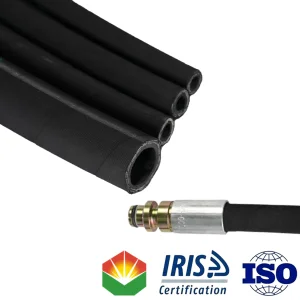
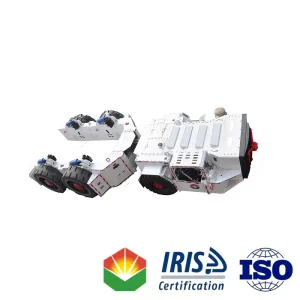
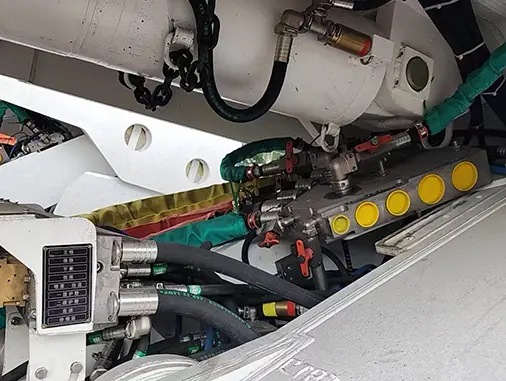
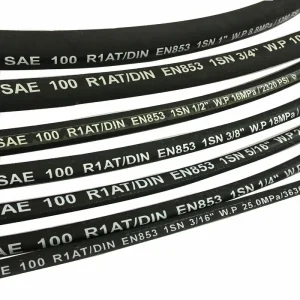
Underground transport vehicles like the WC60Y (60-ton capacity) support hauler operate in high-humidity, dust-filled areas. These vehicles rely on heavy-duty explosion-proof engines, flame-retardant tires, and robust hydraulic steering and lift systems equipped with Kelong's multi-layered wire braid hoses.
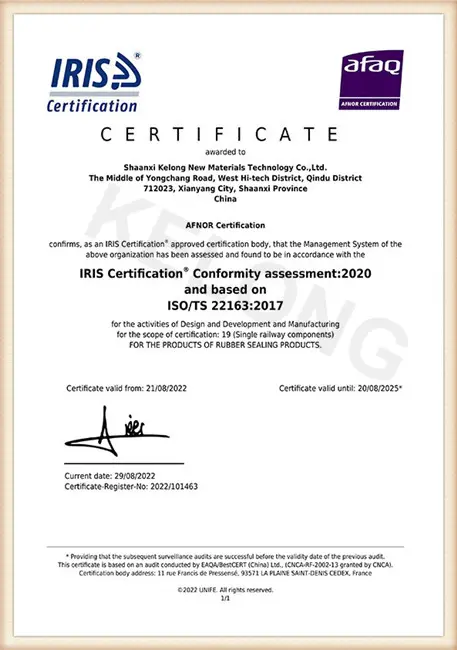
Extreme salinity and continuous marine exposure demand flexible, corrosion-resistant hydraulic conduits. Our wire braid rubber hoses, certified under ISO9001 and IRIS, prevent saline intrusion and resist chemical degradation in high-pressure offshore applications.
To design seals capable of withstanding dynamic pressures up to 80Mpa, Kelong employs a strict design-to-testing engineering cycle. Standard elastomers often degrade due to rapid gas decompression and excessive shear forces under high pressures. Kelong's technical roadmap addresses these failures through specialized material formulations and precision manufacturing:
Learn why global mining developers and industrial machinery exporters trust Shaanxi Kelong.
Boasting over 500 employees, nearly 180 of whom are engineers and technicians, along with an R&D center and 7%+ annual R&D investment, we ensure robust and diverse production capacity.
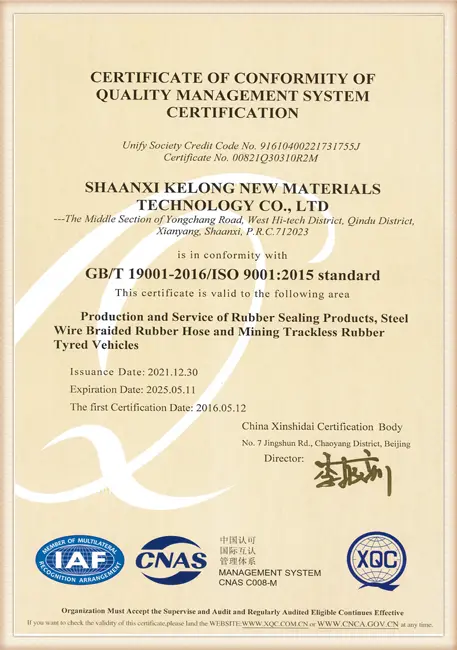
With ISO and IRIS certifications, our professional team conducts strict checks throughout the production process, guaranteeing top-notch product quality.
Powered by a large workforce and substantial R&D input, we are capable of manufacturing various products to meet demands across multiple industries.
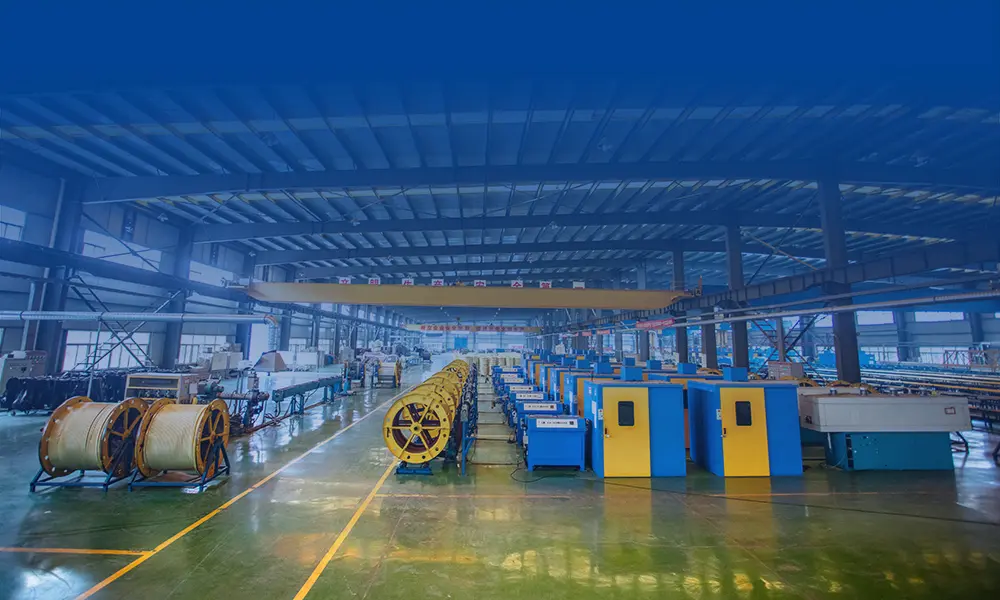
Our state-of-the-art facility features a sealing products workshop equipped with Austrian DMH production lines and a high-pressure rubber hose manufacturing base utilizing imported Italian machinery.
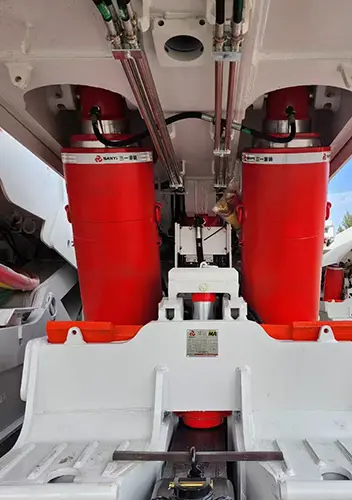
Proof of performance: how Kelong components excel in critical real-world systems.
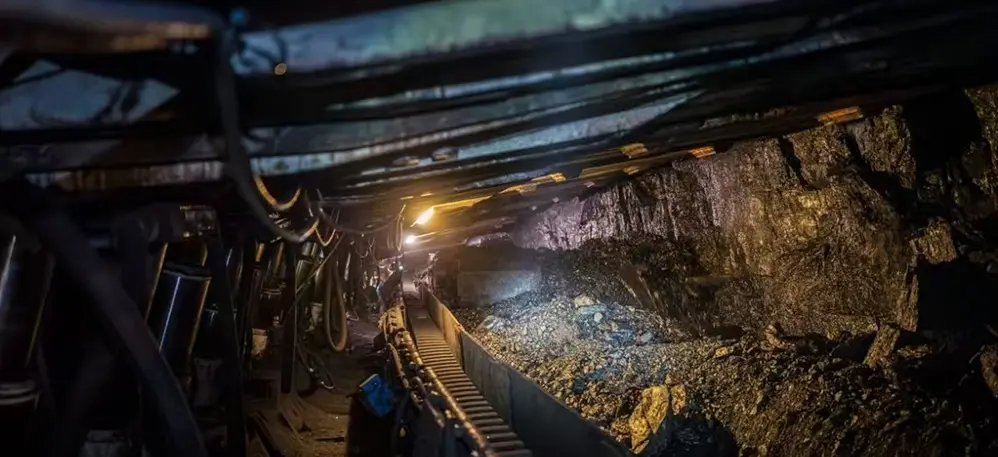
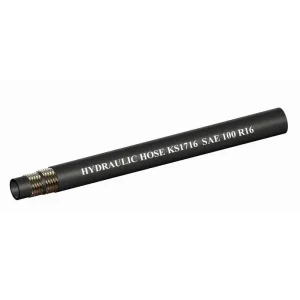
Ultra-tough, high-pressure hydraulic hose for rock-solid machinery performance.

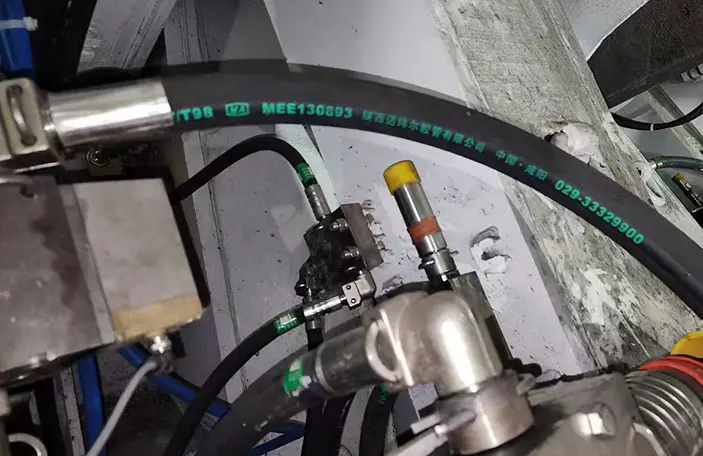
Rigorously tested, this hose stays stable under extreme conditions.
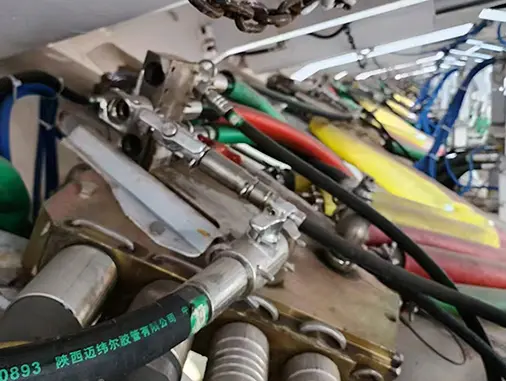
Innovative design: combines flexibility and strength, easy to install.
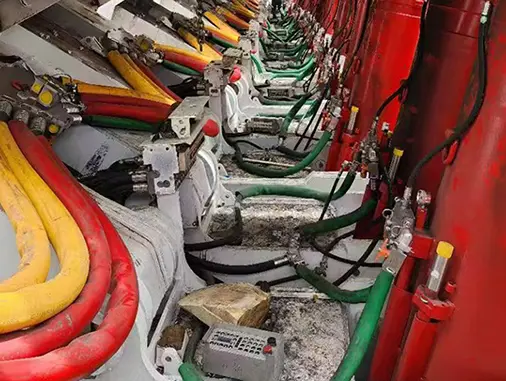
Upgrade your equipment's efficiency with our high-pressure hose.
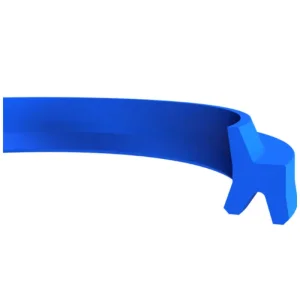
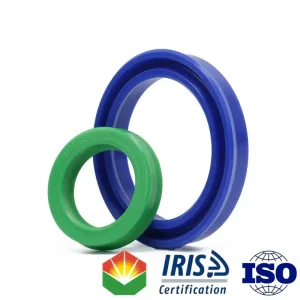
Seals tight, lasts long in high-pressure settings, cutting maintenance costs.
Addressing the technical, material, and regulatory challenges commonly encountered by mining engineers and procurement managers.
High-pressure excavator cylinders experience extreme pressure surges, often up to 80Mpa. To ensure reliable performance, a seal must feature high extrusion resistance (using hard POM or specialized plastic backup rings), low friction to prevent stick-slip motion (utilizing bronze-filled PTFE guide bands), and high temperature stability to withstand thermal spikes in the hydraulic oil.
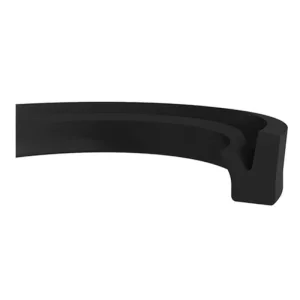
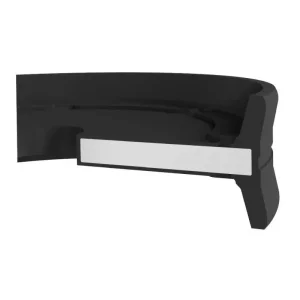
Nitrile Butadiene Rubber (NBR) provides excellent elastic recovery and oil resistance, ensuring a reliable static and dynamic seal. Polyoxymethylene (POM), a highly crystalline engineering thermoplastic, serves as the active anti-extrusion ring. POM withstands high shear forces and prevents the elastomer from extruding into the cylinder clearances under severe operating pressures.
Our hydraulic hoses are engineered using specialized synthetic rubber compounds infused with flame-retardant and conductive additives. This formulation ensures compliance with international standards such as MSHA, ATEX, and IRIS. It prevents static electricity build-up and ensures the outer cover self-extinguishes if exposed to an open flame.
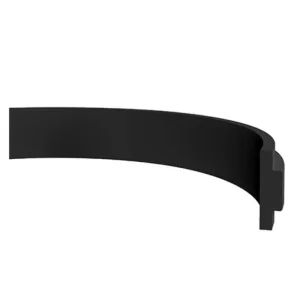
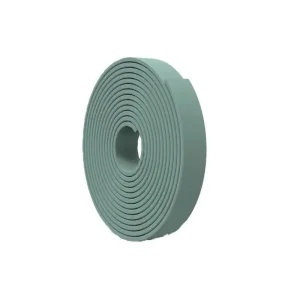
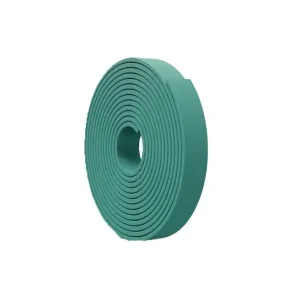
PTFE filled with bronze powder exhibits a low friction coefficient, high thermal conductivity, and excellent load-bearing capacity. These characteristics minimize stick-slip motion, prevent dry-running wear, and reduce metal contact between the piston rod and cylinder head. The result is a longer operating life for the primary sealing elements.
Premium components designed for maximum safety, high pressure containment, and system longevity.
 Kelong New Materials